Short answer
Published estimates put a typical water damage restoration job of about 215 square feet in Oklahoma City at roughly $2,268 to $2,331, and Angi reports most jobs nationally landing between $450 and $16,000. The type of water, how far it spread and how long it sat move the number more than anything else.
The ranges, with sources
These are planning ranges from published sources, not quotes. HomeYou estimates a typical Oklahoma City water damage restoration job of about 215 square feet at roughly $2,268 to $2,331, or about $11 to $12 a square foot. For flood damage, its Oklahoma City estimate for the same area is about $3,368 to $3,630.
Nationally, Angi reports most water damage jobs landing between $450 and $16,000, with an average near $3,868. For the drying and mitigation part, Angi puts the cost at about $3.50 a square foot for clean water, $5.25 for gray water and $7.50 for black water.
Mitigation and repair are two different bills
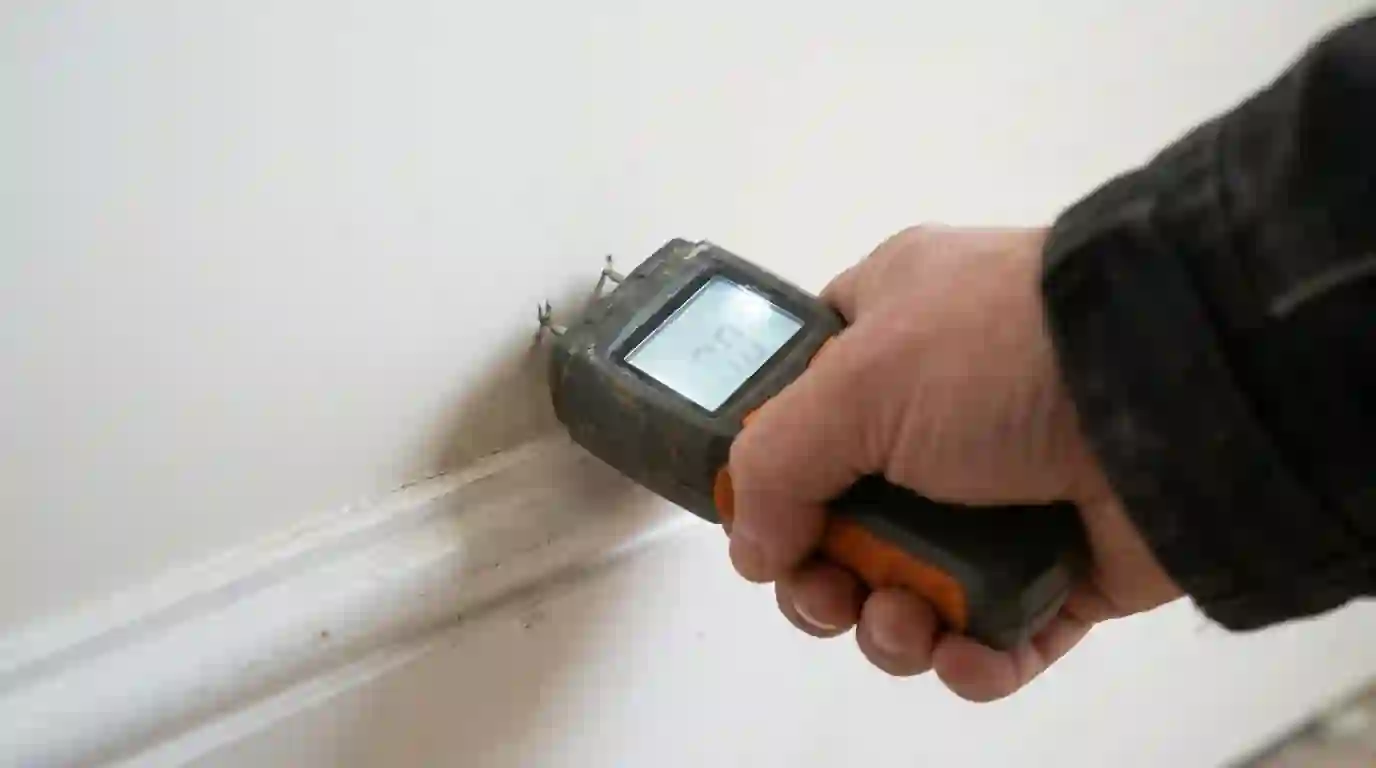
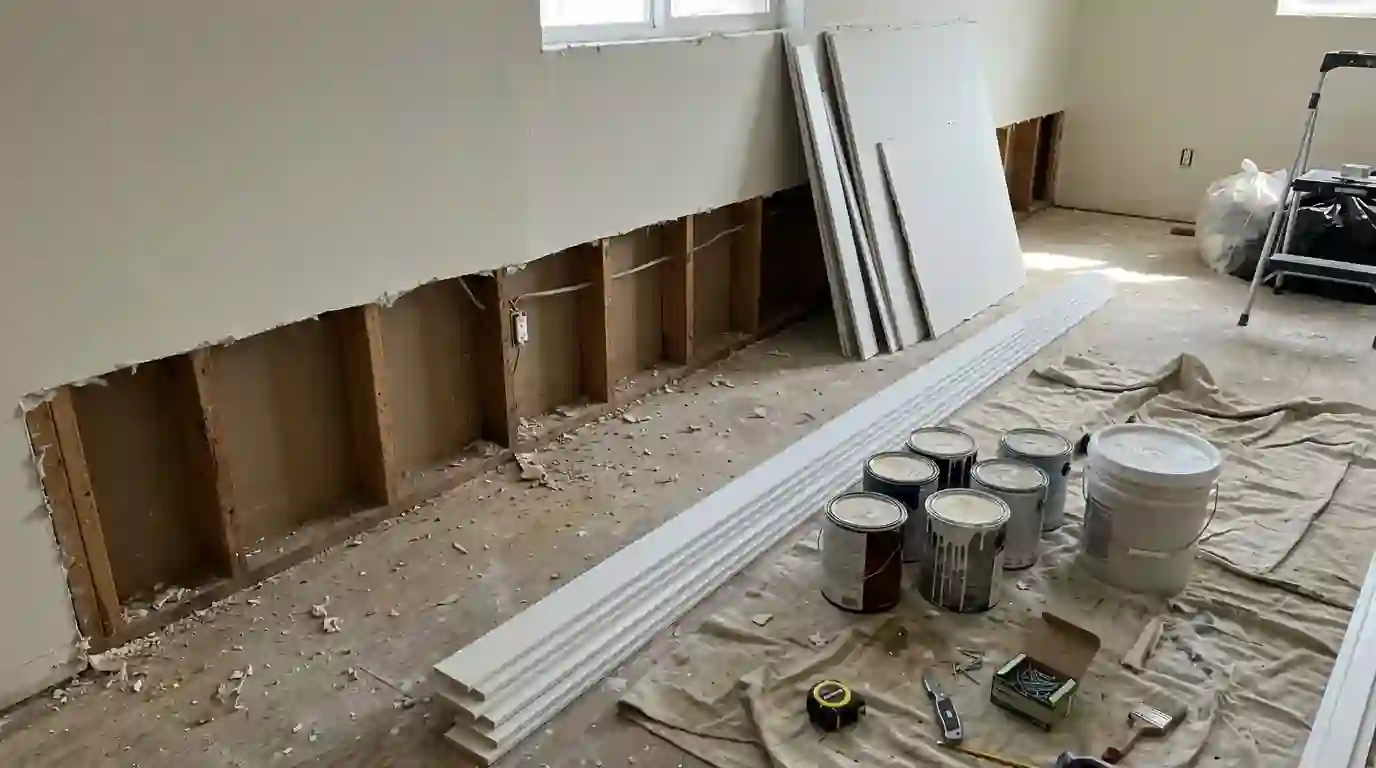
Mitigation is stopping the damage: extraction, drying equipment, removing what can't be saved, and the readings that show it's dry. Repair is putting the house back: drywall, paint, trim, flooring.
The two are often quoted separately, and they should be. Mitigation is urgent and runs for days. Repairs can wait until the structure is dry, and you can choose who does them.
Water line, open now
Want a real number for your floor?
Call. We'll look, read the walls and floors, and tell you the scope before work starts.
What pushes the number up
The same leak can cost very different amounts depending on a few things you can see on the first visit.
- Water type: gray water and sewage add cleaning, disposal and protective work
- Spread: water that ran under walls into several rooms multiplies the area
- Time: water that sat for days means more material comes out
- Materials: hardwood, plaster and slabs dry slower than carpet and drywall
- Contents: furniture and belongings that need moving, drying or documenting
- Access: ceilings, crawl spaces and upstairs leaks take more labor
Typical ranges by what got wet
Angi breaks some repair costs down by area: ceiling water damage repair at about $450 to $1,600, drywall repair at about $300 to $850, flooring at about $200 to $3,000, and mold removal at about $1,200 to $3,800. HomeAdvisor puts hardwood water damage at about $10 to $15 a square foot and drywall replacement at about $1.50 to $3 a square foot.
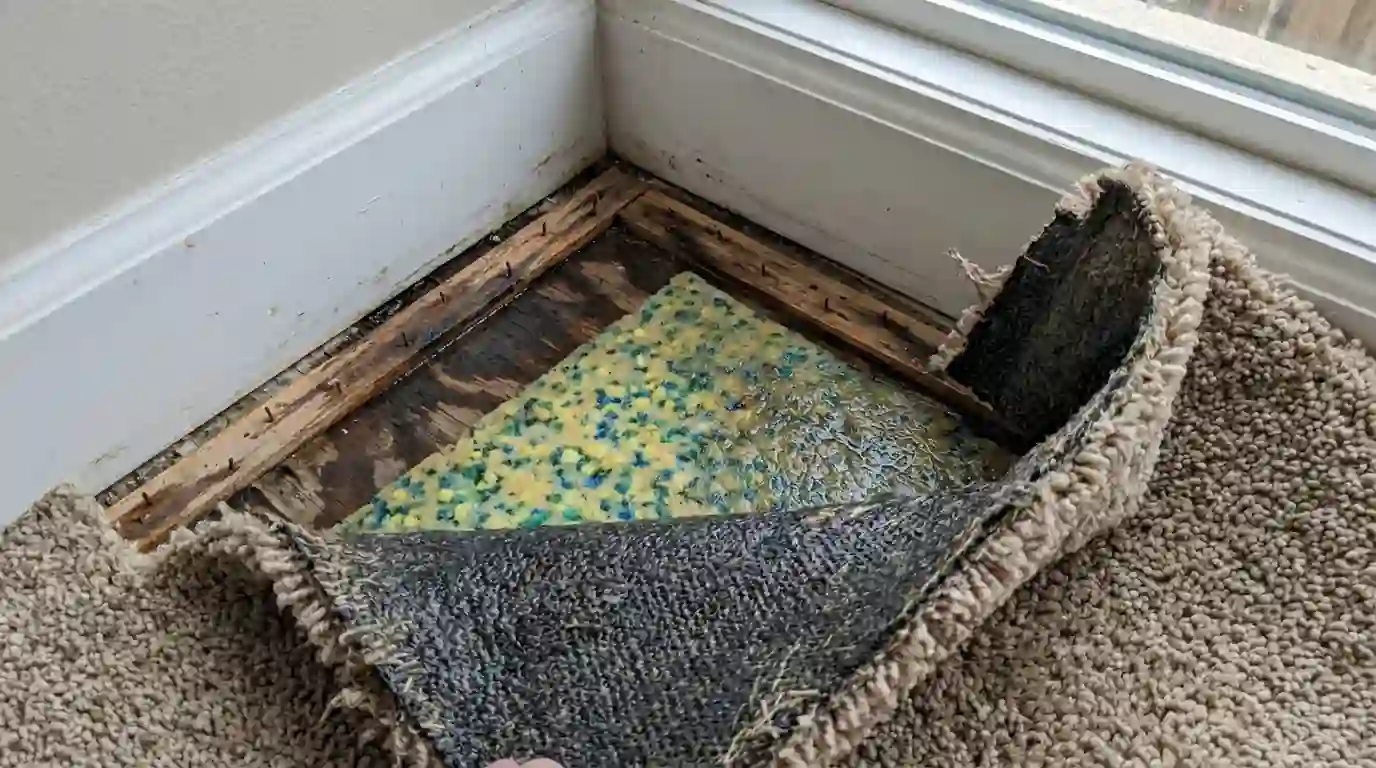
Carpet is often the cheapest part to fix. NerdWallet, citing Angi, puts new carpet padding at about $0.75 to $2 a square foot and full carpet replacement at about $3 to $11 a square foot, which is why pad is usually replaced and carpet is saved when the water was clean.
What insurance usually changes
If the loss is covered, your out-of-pocket cost is usually your deductible, though limits and exclusions vary. Sudden water like a burst supply line is commonly covered; slow leaks and outside flood water often aren't.
For a small leak caught early, the whole job may cost less than the deductible. It's worth knowing that before filing.
Questions to ask before work goes past the emergency
Emergency extraction shouldn't wait for paperwork, but once the water is out and the drying is set, it's fair to ask for a clear picture of what comes next.
- What's wet, and how do you know? Ask to see the readings.
- What has to be removed, and why can't it be dried?
- How long do you expect the equipment to stay, and how will we know when it's done?
- Is the drying billed separately from repairs?
- What will you document for my insurer, and will I get a copy?
Why two estimates can look so different
Two companies looking at the same wet room can write very different numbers, and it isn't always because one is overcharging. Estimates differ in what they include: one may price only the first days of drying, another the whole job through dry readings; one may plan to save the carpet and replace the pad, another to replace both.
Compare line by line rather than by the total. The pieces that move the number most are the square footage being dried, the number of equipment days, what's being removed and thrown away, whether contents are being moved, and whether repairs are included at all.
- Square footage of each affected room
- Equipment type, count and expected days
- Materials to be removed, with reasons
- Cleaning or antimicrobial treatment
- Contents handling, if any
- Whether repairs are included or separate
How to keep the bill down
Speed is the biggest lever. Water caught in the first hours often means drying in place; the same water a day later means more drywall, pad and flooring come out.
After that: shut the water off fast, get furniture and rugs off wet floors, let cheap materials like pad go instead of paying for days of drying, and keep the house closed and conditioned while equipment runs.