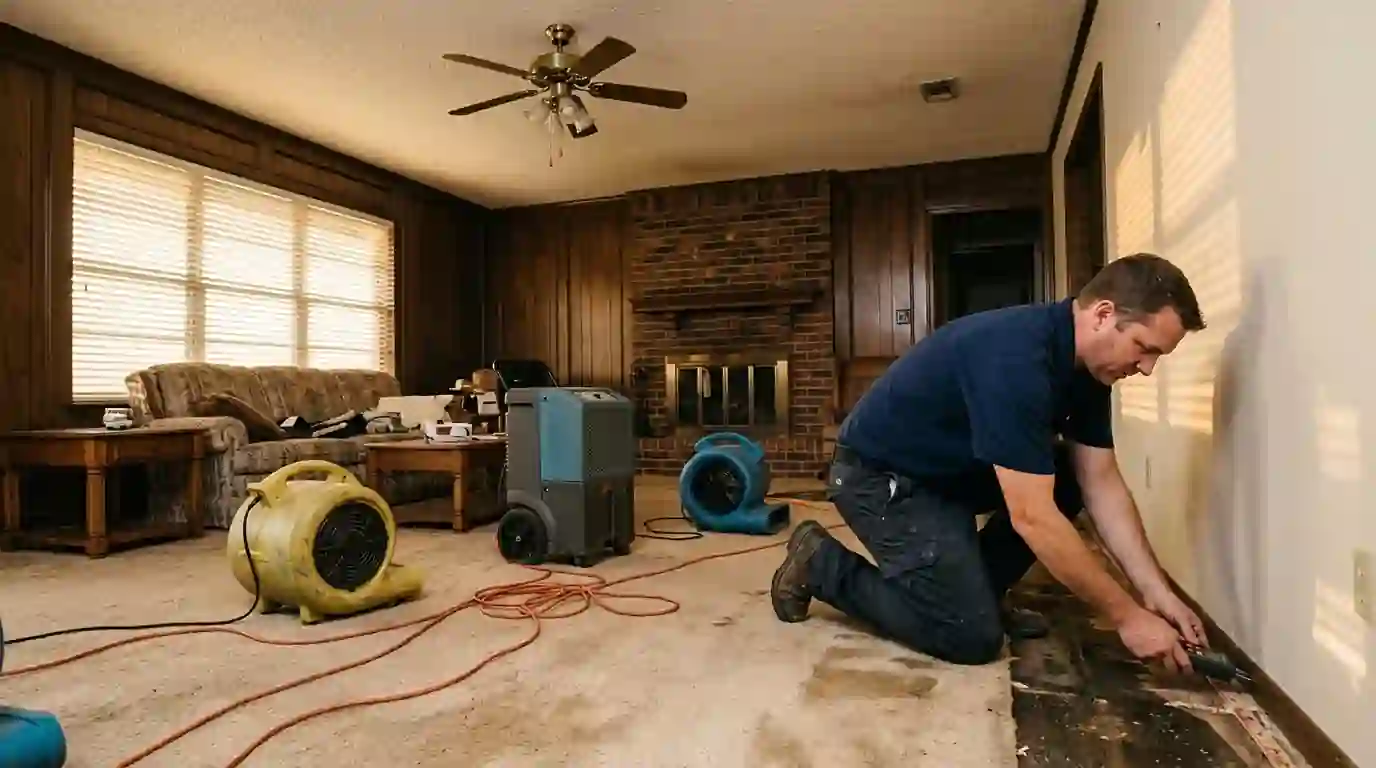
The First Hour After Water Hits the Floor
What to shut off, what to move and what to leave alone before the crew arrives.
Answering 24/7 in Oklahoma City, OK
A supply line let go, the storm came under the door, or the water heater finally gave out. We answer around the clock, pull the standing water, and dry the carpet, pad, walls and subfloor until the meter reads dry.
If the water is still moving
Short answer
In Oklahoma City the first hour decides how much of the floor can be saved. Shut the water off, cut power to wet rooms if the panel is dry and safe to reach, and call. We extract the water, lift the carpet to reach the pad, and set drying equipment on the same visit.
Shut the water off at the main or the fixture valve. If a wet room's breaker is safe to reach, turn it off. Lift rugs, cords and wood furniture off the wet floor.
Skip the shop vac marathon and don't pull the carpet back yourself; wet backing tears off the tack strip and won't re-stretch. Leave the ceiling bulge alone.
Photograph everything before it's moved. Keep the failed part, the plumber's invoice and anything you throw out, until your adjuster has seen it.
Carpet, rugs and plank floors we dry, clean and restore, from Shaw and Mohawk broadloom to Karastan wool rugs and LifeProof plank.
Why houses here take on water
Most of our calls start one of three ways. Spring storms push water through doors, windows and hail-cracked roofs, and Oklahoma City's severe season runs from March through June. Hard freezes split pipes in outside walls and attics. And the red clay under the metro swells and shrinks with the weather, which is hard on slabs and the water lines that run through them.
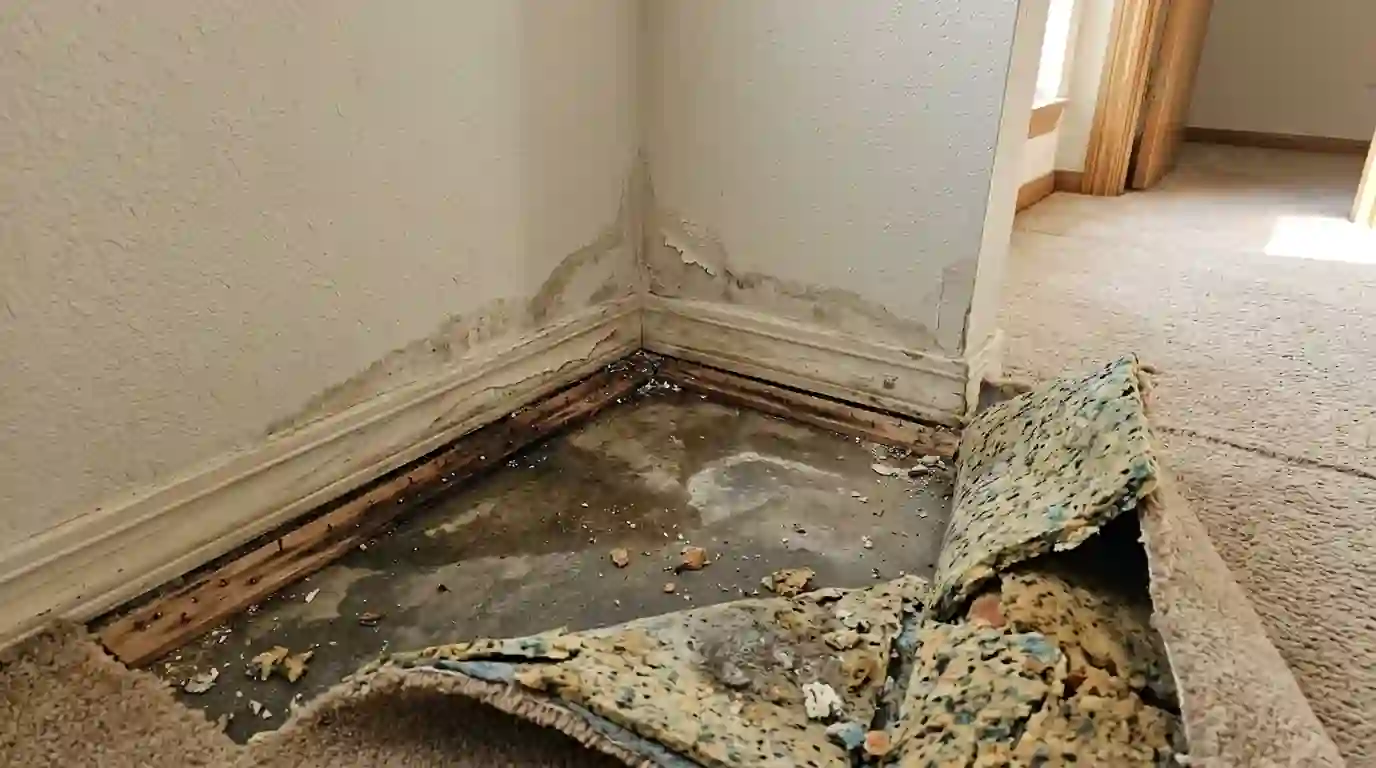
Most homes here are wood-framed on a slab or over a crawl space. On a slab, water runs under the carpet and pad and wicks up the drywall from the bottom plate. Over a crawl space it drips through to the vapor barrier and the joists. Each one dries differently, and that changes how long the equipment stays.
At Precision Carpet Cleaning the floor gets the closest look. The pad, the tack strip and the slab under them are metered before we call a room dry, because that's where a musty smell starts three weeks later.
Every water job we take
Pick the one that matches the problem. Each page covers the work, what it tends to cost in this market, and how long the equipment usually stays.
Water is still coming in or standing on the floor.
8 jobsOne fixture, appliance or pipe let go.
8 jobsWalls, floors and framing that took on water.
8 jobsThe soft goods that hold water longest.
5 jobsDirty water and what grows after it.
4 jobsRentals, businesses, mobile homes and paperwork.
5 jobsFrom the call to a dry reading
Drying isn't a fixed number of days. It ends when the readings say it ends.
A person picks up, day or night. We ask where the water came from, how long it ran and what the floor is, then tell you what to shut off.
Truck-mount or portable extraction takes water out of carpet and pad. Every gallon pulled now is a gallon the dehumidifiers don't have to evaporate.
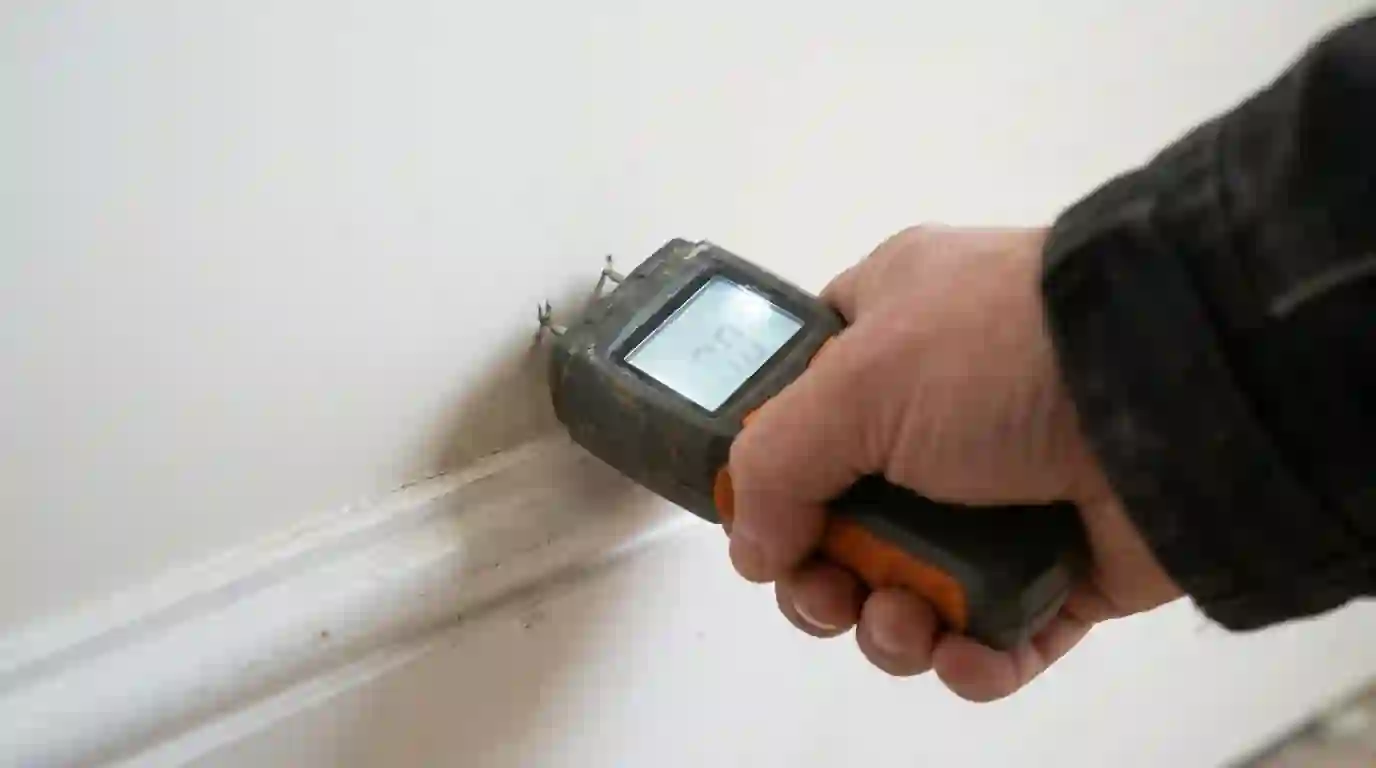
Meters and a thermal camera trace how far it spread under the carpet and up the walls. Every reading is logged and photographed.
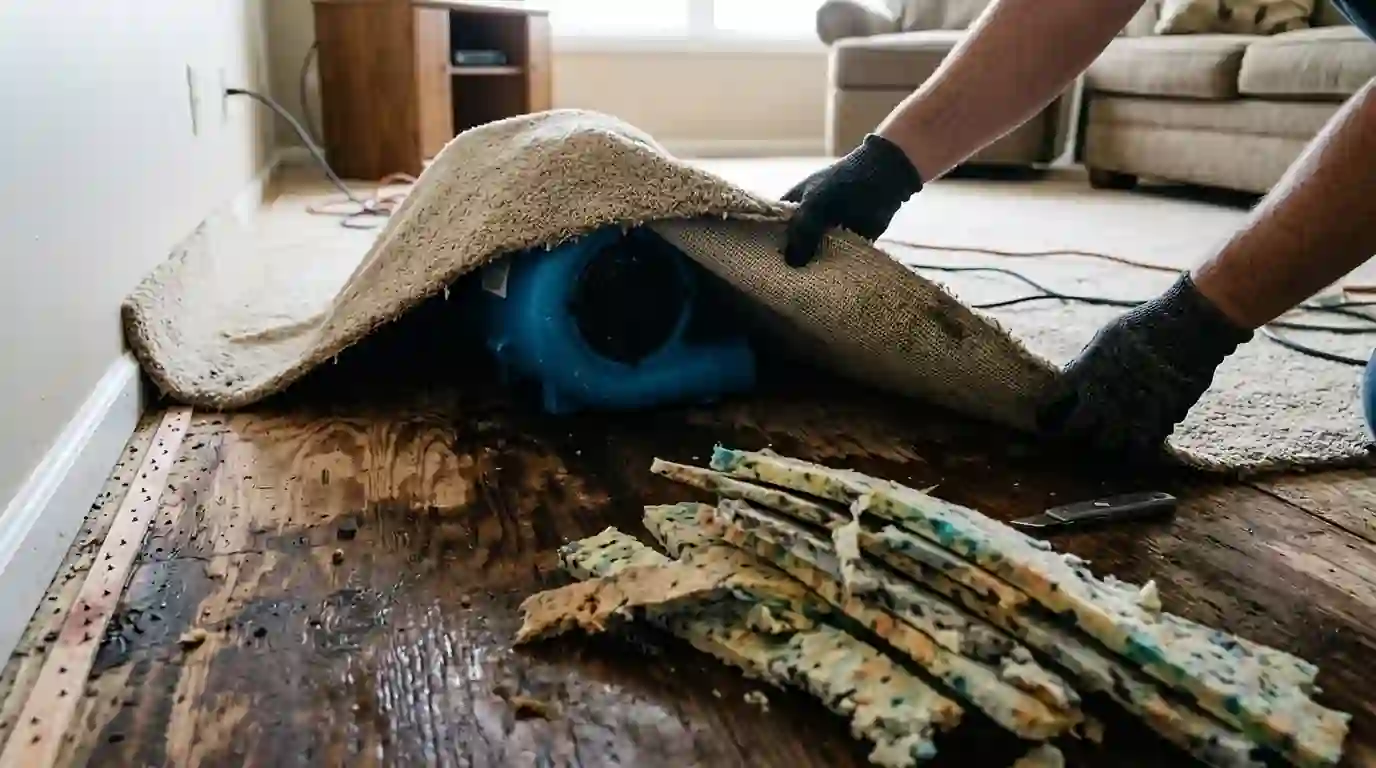
Air movers, dehumidifiers and wall-cavity drying go where the readings point. Carpet may be floated, pad pulled and baseboards taken off.
We return to take readings until materials match dry spots in the same house, then pull the equipment and walk you through repairs.
Carpet and pad
What the water was and how long it sat matter more than the carpet itself. This is how we make the call on the floor in front of us.
| Material | Clean waterSupply line, ice maker, rain on the floor, caught early | Gray waterWasher or dishwasher drain, AC pan, or clean water left sitting | Sewage or flood waterToilet with waste, sewer backup, rising outside water |
|---|---|---|---|
| Carpet | Usually dried in place, then cleaned | Often saved with cleaning and an antimicrobial, unless the backing has let go | Removed and thrown out |
| Pad | Dried in place when caught early; replaced if it stayed soaked | Replaced | Removed and thrown out |
| What we do | Extract, float the carpet, dry the pad side, re-stretch | Extract, pull and bag the pad, clean and treat the carpet, dry the slab | Contain, remove carpet and pad, clean and disinfect the slab, then dry |
New pad typically runs $0.75 to $2 a square foot, so we rarely spend days coaxing a cheap pad dry when replacing it is faster and cleaner. Most wall-to-wall carpet in metro homes, Shaw and Mohawk broadloom included, is synthetic and tolerates clean water if it's dried fast.
Wool rugs are another story. A Karastan or other wool rug can bleed dye within hours, so those come up off the floor first and dry flat with air on both sides. Vinyl plank like LifeProof or COREtec shrugs off surface water but traps it underneath, which is why we pull a few planks to look.
Pad cost: NerdWallet citing Angi, 2026.
How we work
These are habits, not slogans. They're the parts of a water job that decide whether the claim goes smoothly and whether the smell comes back.
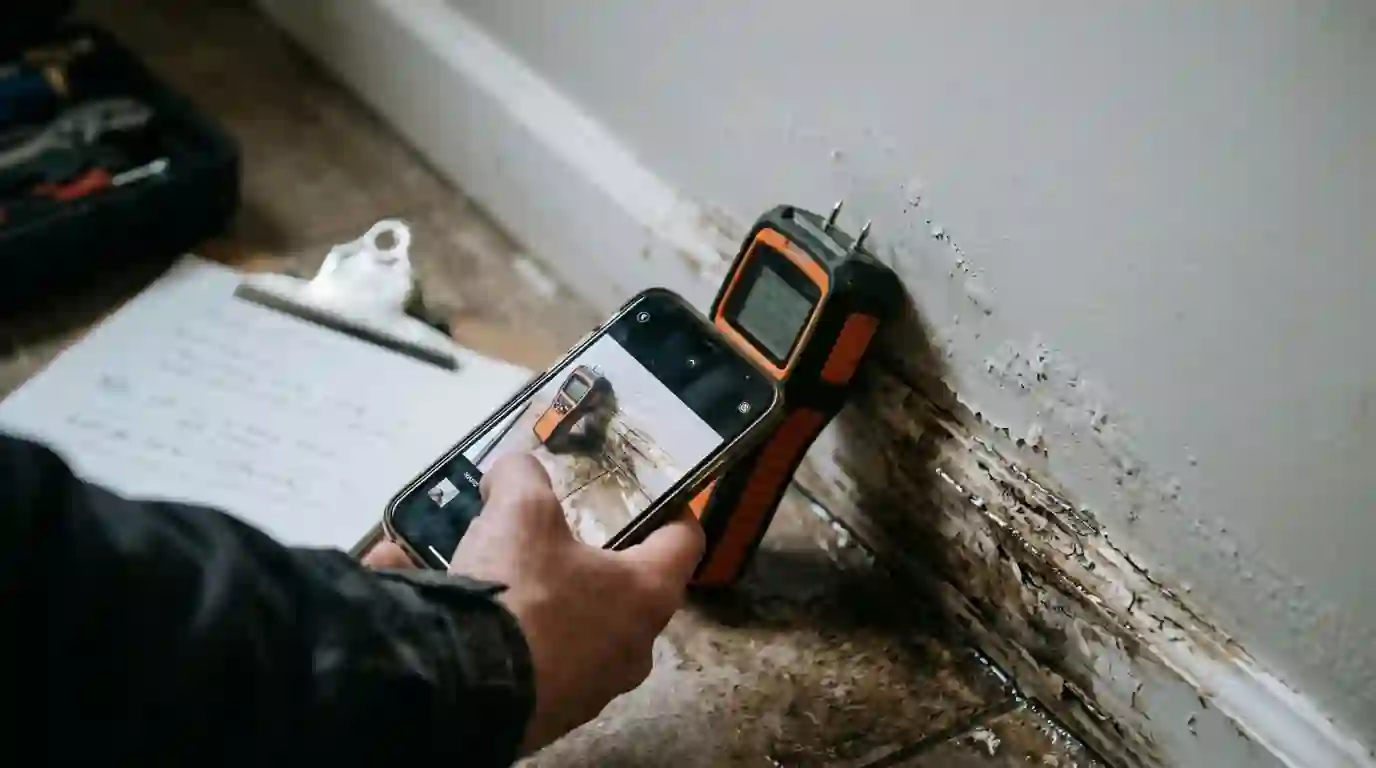
We don't guess a dry date on the first visit. Targets come from dry areas of your own house, and you see the numbers as they fall.
Before anything is cut or pulled, it's photographed, measured and noted, so the claim file shows why it came out.
If the carpet can be saved, we save it. If it can't, you hear that on day one, not after three days of drying.
The water line is answered around the clock, holidays and freeze nights included.
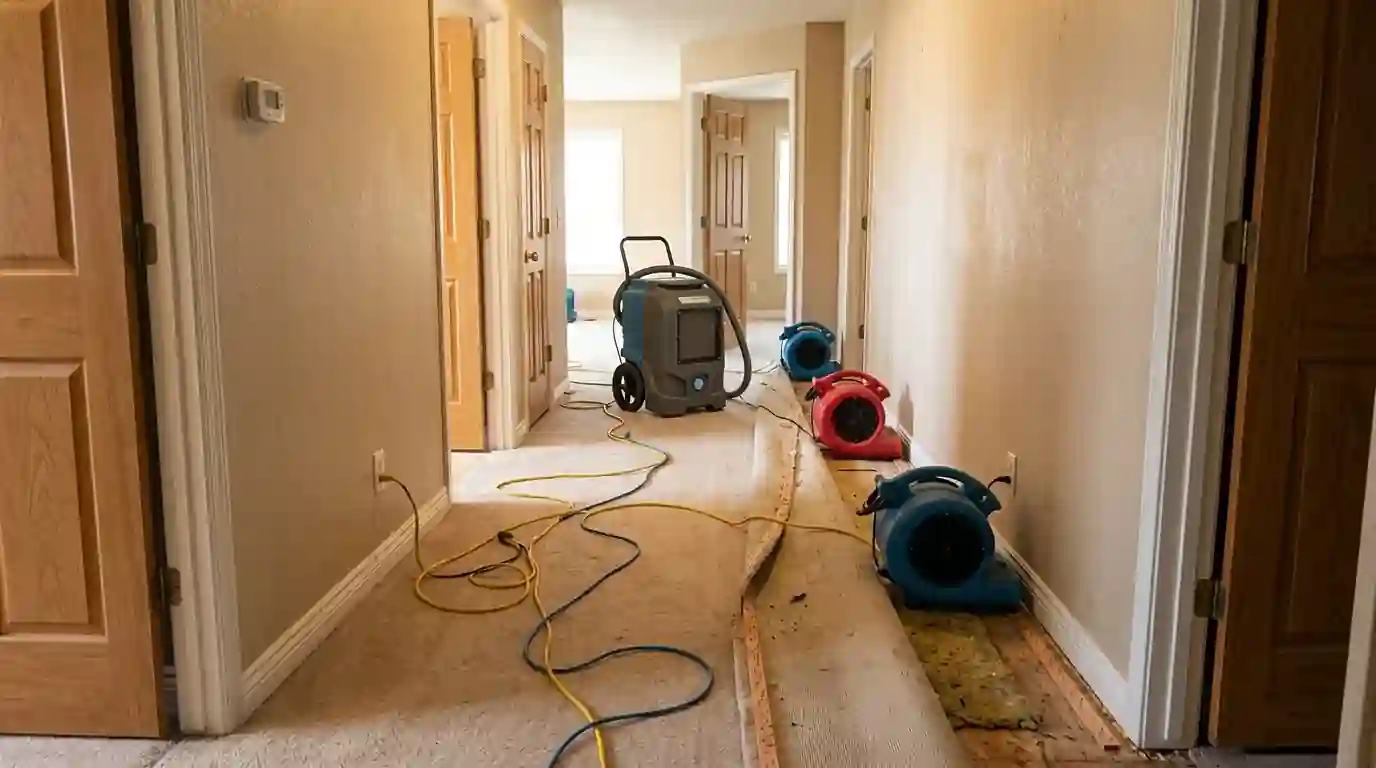
The water you can see is the easy part. The water in the pad and the bottom of the drywall is the reason we're there.
Call (405) 299-1883Where we work
Crews run out of the N MacArthur Blvd service office in northwest Oklahoma City. Each area page covers how houses there tend to take on water.
Answers
What to shut off, what to move and what to leave alone before the crew arrives.
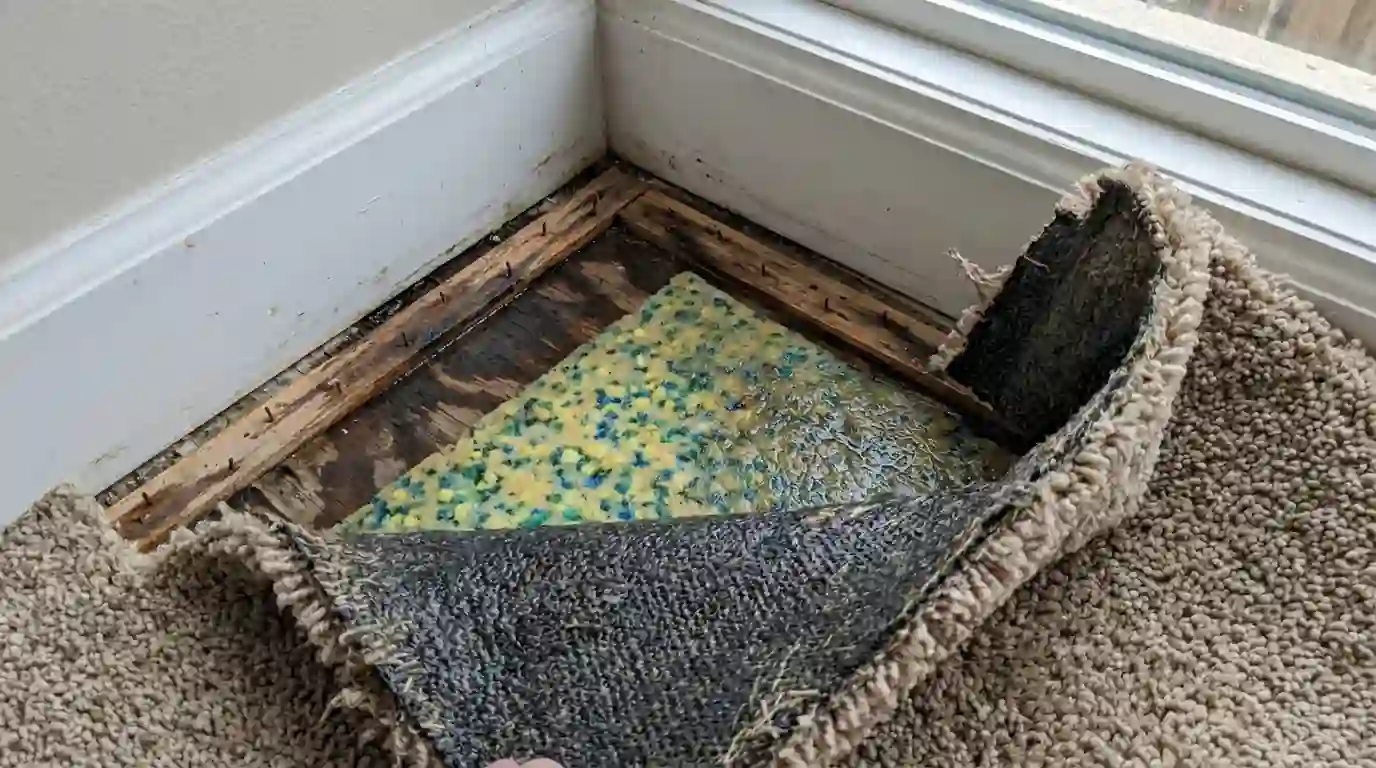
Clean, gray or sewage water, and how long it sat: the two questions that decide the floor.

Typical ranges, what pushes a bill up, and what insurance usually picks up.
Straight answers
Short, honest answers. The longer versions live in the Answers section.
The line is answered 24/7, and the person who picks up schedules the visit on that call. We tell you the arrival window plainly and what to shut off or move while you wait.
Carpet soaked by clean water and caught early is usually dried in place and cleaned. Gray water usually means new pad and a cleaned, treated carpet. Sewage or outside flood water means the carpet and pad come out.
Most policies cover sudden water, like a burst supply line, and exclude slow leaks and outside flood water, which needs a separate flood policy. We photograph and log readings so your adjuster sees exactly what happened.
Many rooms dry in three to five days of equipment time, but the readings decide, not the calendar. Hardwood, plaster, slabs and crawl spaces tend to take longer than carpet and drywall.
Move small items, rugs and anything wood off wet carpet if you can lift them safely. Put foil or plastic under the legs of heavy pieces you can't move, so stain and rust don't transfer.
With clean water, most families stay home with some noise from the equipment. Sewage backups and mold work are different: we close those areas off and will tell you if anyone should stay elsewhere.
Sewage is treated as contaminated. We contain the area, remove porous materials it touched, clean and disinfect the hard surfaces, and dry what remains. Keep children and pets out until then.
Water line, open now
Call the water line. Tell us where it's coming from and we'll tell you what to shut off while a crew heads your way.
Call and find us
Service office
N MacArthur Blvd, Oklahoma City