Short answer
Wet carpet can usually be saved when the water was clean, such as a supply line or rain straight through a window, and drying starts within a day or two. The pad underneath is often replaced either way. Carpet soaked by sewage or outside flood water, or carpet whose backing has separated, should be replaced.
The two questions that decide it
Restoration work sorts water into three rough types: clean water from a supply line or the sky, gray water from appliances and drains that carries some contamination, and black water, meaning sewage or outside flood water. The type of water sets the starting point.
Time moves it. Clean water left sitting for days picks up contamination from the floor and the pad, and starts growing things in a warm house. So clean water caught early is the best case, and anything left for days drifts toward the worse categories.
Clean water caught early
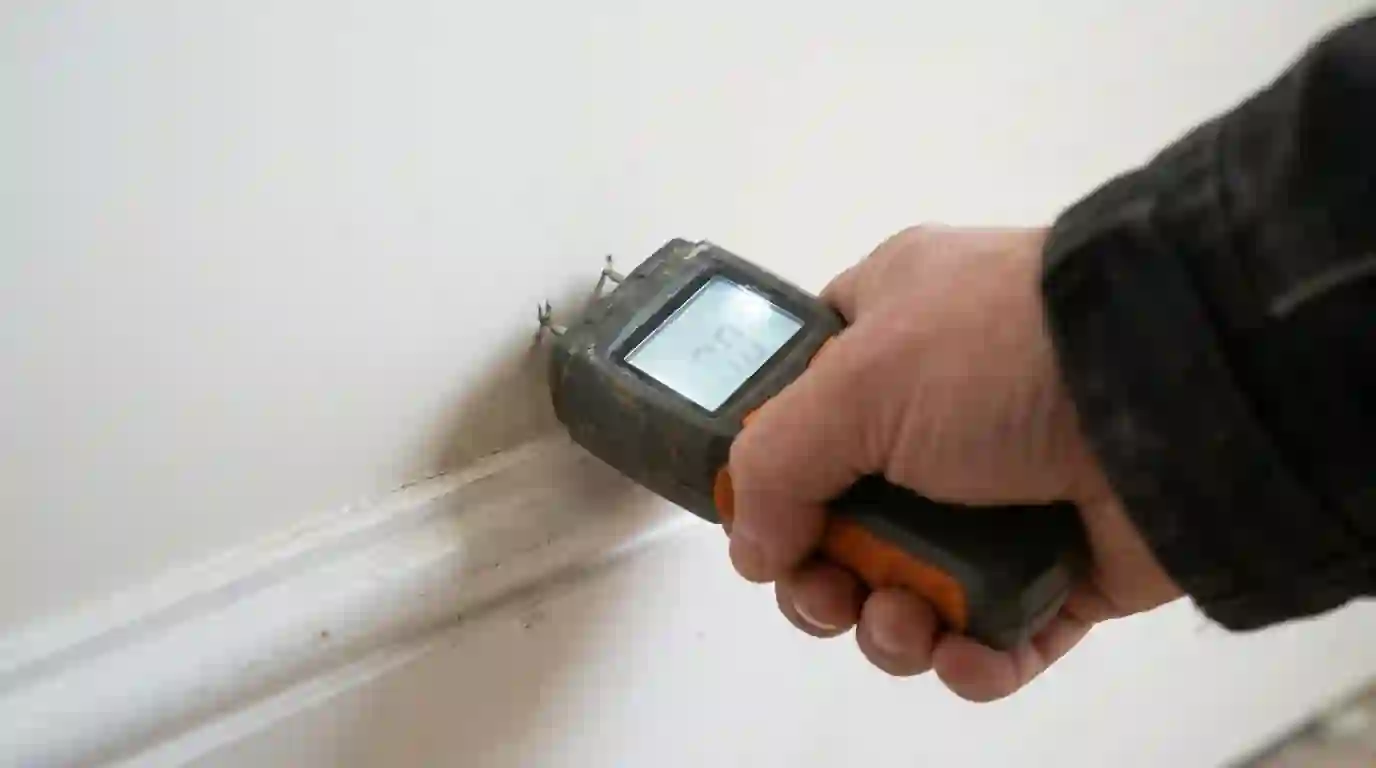
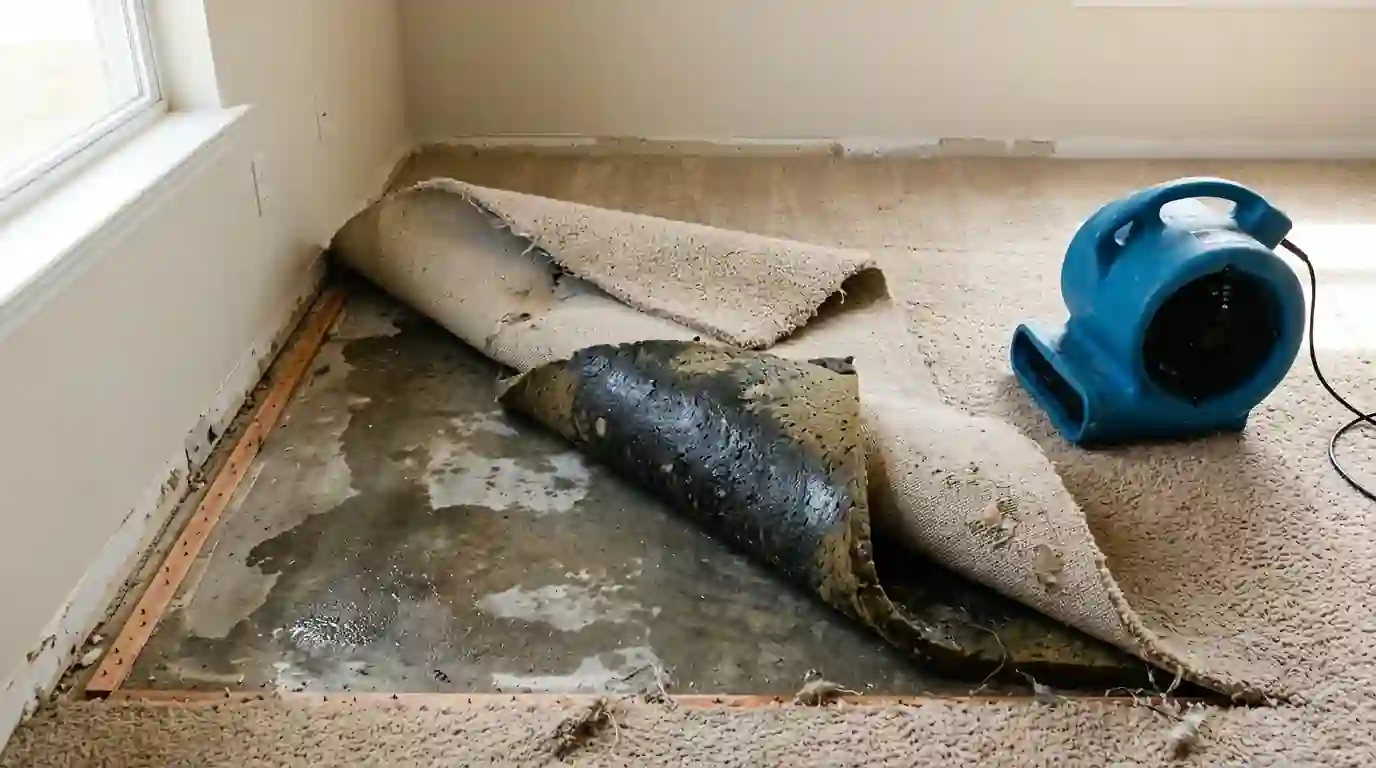
This is the case where carpet is usually saved. The carpet is extracted hard, released from the tack strip and floated with air underneath so the pad side and the floor dry. The pad may be dried in place or, more often, cut out and replaced because new pad is inexpensive.
Once the floor reads dry, new pad goes down where needed, the carpet is re-stretched onto the strip and cleaned. Done well, you can't tell it was ever wet.
Gray water and longer soaks
Gray water, such as a washer or dishwasher drain or an overflowing AC pan, is a judgment call. Synthetic carpet with an intact backing is often kept after extraction, cleaning and an antimicrobial treatment, with the pad replaced. Carpet that sat wet for days is more likely to smell and is less likely to be worth saving.
Water line, open now
Carpet still wet?
The sooner the pad is reached, the better the odds the carpet stays.
Sewage and flood water
Carpet and pad soaked by sewage or water that came in from outside are removed and discarded. They can't be cleaned well enough from the inside, and drying them first only spreads what's in them. The slab or subfloor underneath is cleaned and disinfected before new flooring goes down.
Signs carpet can't be saved
Some carpet should come out even after clean water.
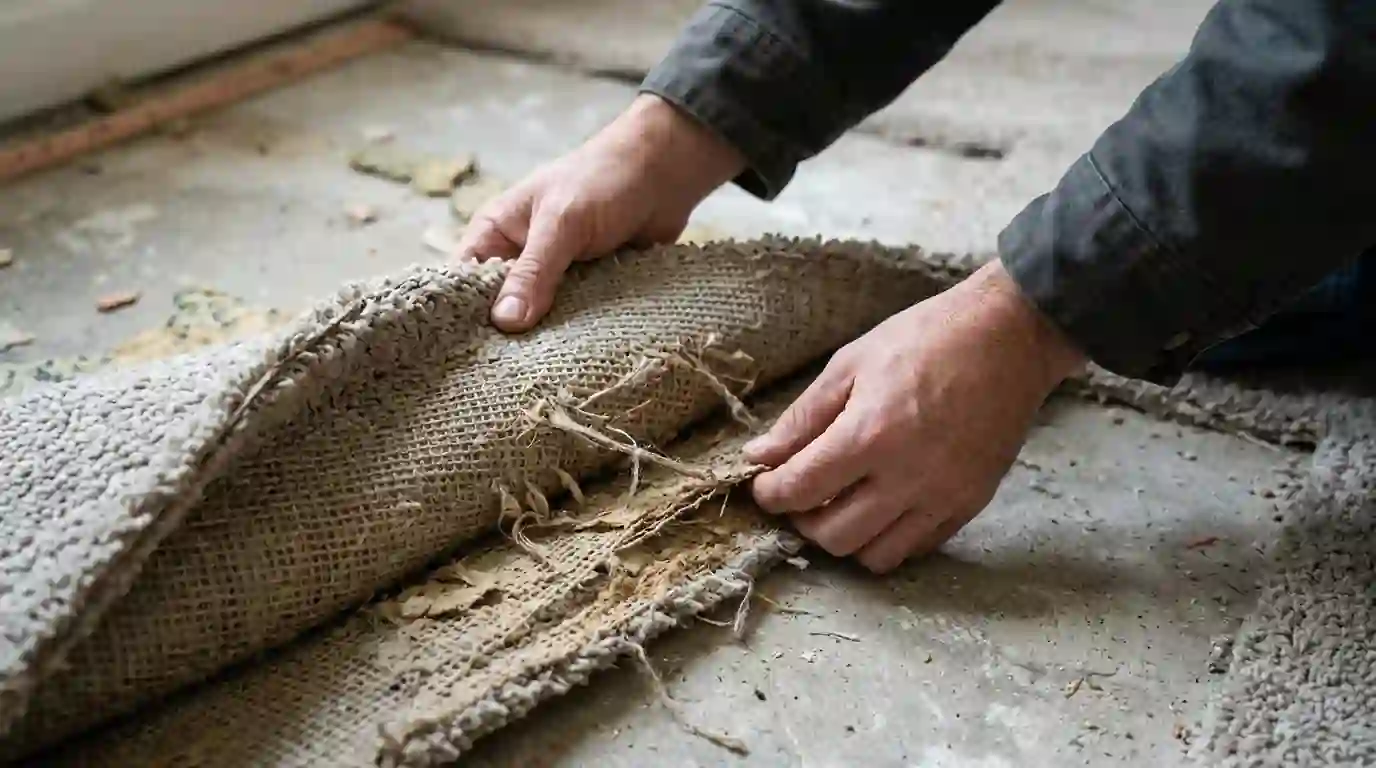
- The backing has separated from the face fibers (delamination)
- It still smells musty after drying
- There's visible growth on the back
- It was soaked by sewage or outside flood water
- Wool carpet that has shrunk or bled dye badly
Pad, wool and rugs
Pad is the inexpensive part and the part that holds water longest, which is why it's usually replaced even when carpet stays. NerdWallet, citing Angi, puts new padding at about $0.75 to $2 a square foot.
Wool needs gentler handling. Wool carpet and wool rugs can shrink and bleed dye, so they're dried flat, quickly and evenly, and rugs come up off the floor first.
Loop pile, cut pile and backing
The type of carpet matters too. Most wall-to-wall carpet in Oklahoma City homes is synthetic cut pile with a woven synthetic backing, which handles water well if it's dried quickly. Loop pile carpet, including many Berber styles, can be harder to clean after gray water because soil works into the loops, and some olefin carpets hold onto oily residue.
The backing is the part that fails. Carpet is two layers of backing glued with latex, and when the latex softens after a long soak the layers separate. Once that happens the carpet won't stretch tight again, which is why time matters more than the carpet's price.
When the carpet was near the end anyway
Sometimes the honest answer is that the carpet was close to replacement before the leak: matted traffic lanes, old stains, worn seams. Drying and cleaning still costs money, and saving a carpet you were going to replace next year may not be worth it.
That's your call, and it can depend on your insurance. Ask your adjuster how they'll value the carpet before deciding, and we'll tell you plainly whether we think it can be saved.
What drying in place actually looks like
When carpet is being saved, expect it to be lifted along one or more walls and floated on a cushion of air from air movers blowing underneath, with dehumidifiers running in the room. Wet pad is usually cut out in strips while the carpet stays in place.
Keep foot traffic off the floated sections and leave the equipment running, even overnight. When the floor and the remaining pad read dry, new pad goes down, the carpet is stretched back onto the tack strip, and it's cleaned. Most rooms get there in a few days.