1920s historic districts north of downtown
Plaster and hardwood drying in Crown Heights and Edgemere Park
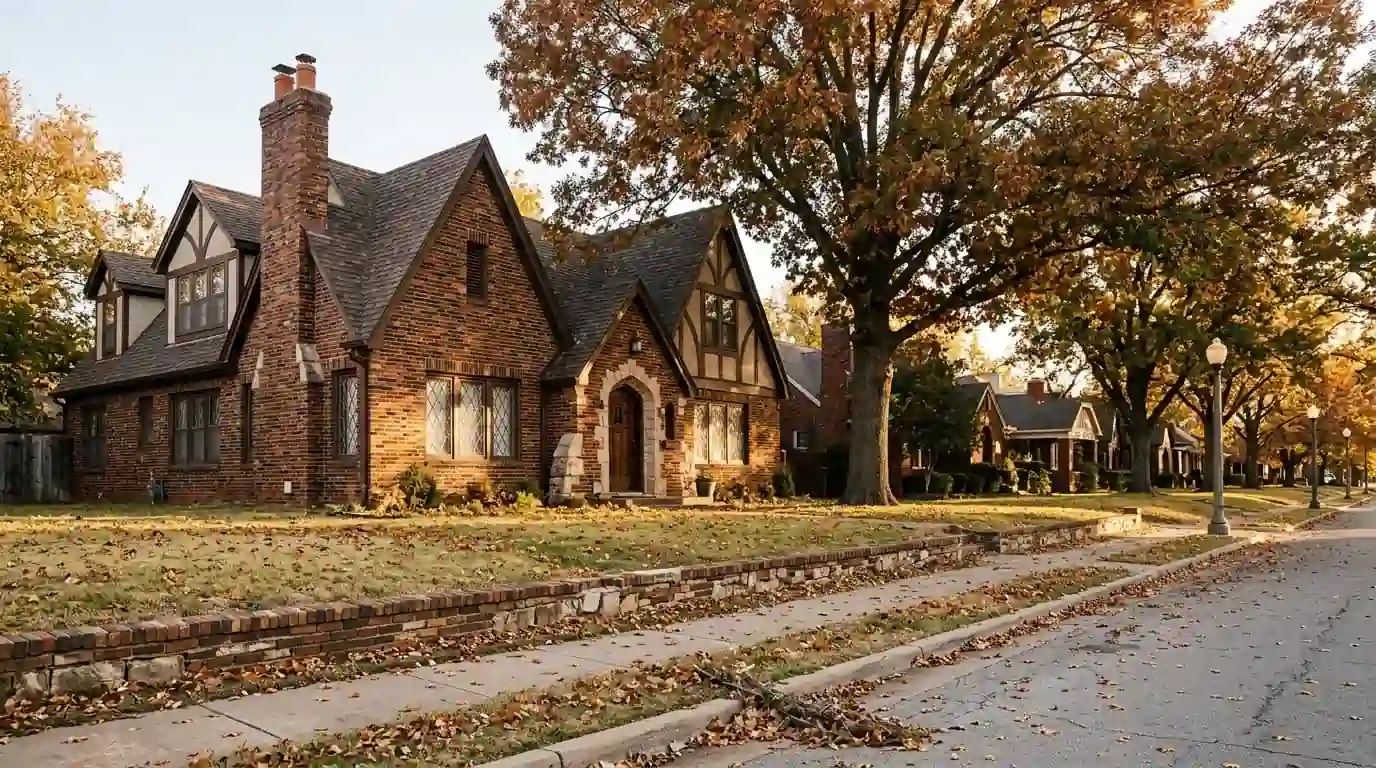
Tudor, Colonial and Spanish Revival homes from the 1920s through the 1940s. Plaster walls, original hardwood, old drain lines and attic leaks need slower, more careful drying than a modern house.
Updated October 2026
- County
- Oklahoma County
- ZIP
- 73118
- Common calls
- Plaster, hardwood, older drains
- Phones
- Answered 24/7
Short answer
Water damage help in Crown Heights and Edgemere Park
In short
For water damage in Crown Heights or Edgemere Park, call the water line any hour. We dry plaster walls and original hardwood slowly with careful readings, clean up backups from older drain lines and dry attic and ceiling leaks, matching original finishes in repairs, with crews coming from the N MacArthur Blvd service office.
How water gets in here
Two historic districts north of downtown
The Crown Heights Historic District, roughly bounded by NW 36th, N Western, NW 43rd and N Walker, was listed on the National Register in 1995. Its homes date mostly from 1925 to 1949, in Tudor, Colonial and Spanish Revival styles, many built by developer G. A. Nichols. Edgemere Park, next door, is another of the city's older historic neighborhoods.
Houses this age have plaster walls on lath, original oak floors, older drain lines and attics that have seen decades of storms. Plaster dries far more slowly than drywall, and original finishes are worth saving rather than replacing.
That shapes how we work here: more reading, slower drying, and repairs that match what's already in the house.
Common calls
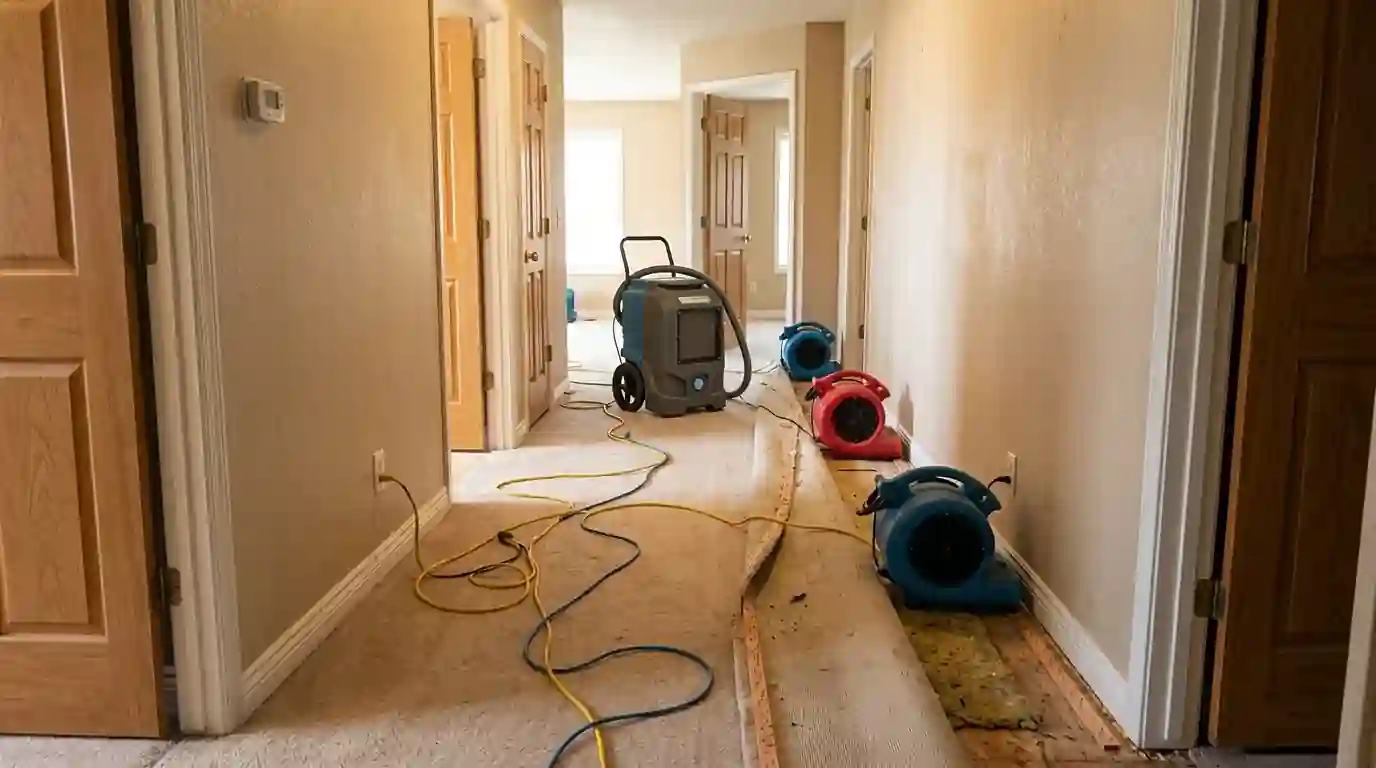
What we're called for most in Crown Heights and Edgemere Park
Historic homes call for careful work.
Where in Crown Heights and Edgemere Park
Getting to Crown Heights and Edgemere Park
Crown Heights sits between NW 36th and NW 43rd Streets, from Western Avenue to Walker Avenue, with Edgemere Park close by, about fifteen minutes from the northwest office down Western Avenue.
Mayfair Heights is to the west and Nichols Hills is to the north; both have their own pages.
Before the crew arrives
What to do in a historic home before we get there
Don't paint or patch damp plaster
Plaster has to dry fully first, or the moisture gets trapped behind the new finish.
Wipe water off oak floors
Towel standing water off original hardwood right away to limit cupping.
Photograph original details
Photograph trim, plaster and floors before anything is removed, so repairs can match.
Straight answers
Questions from Crown Heights and Edgemere Park
Usually, if the plaster is still firm and attached. It dries more slowly than drywall, so it takes more time and careful readings.
We match what's there as closely as possible and tell you plainly when a specialist is needed for original details.
Interior drying and repairs usually aren't affected, but exterior changes may be. Check with the city's preservation office for anything visible from the street.
We read the walls and floors to find what's still damp, then dry or remove the source before treating the odor.
Yes. The water line is answered 24/7 for every part of the city.
Water line, open now
Water damage in a historic home?
Call the water line. We'll dry it slowly and save what's original.
Call and find us
One number, day or night
- Phone
- (405) 299-1883
- Hours
- Answered 24 hours, 7 days
- Service office
- 12253 N MacArthur Blvd Ste F #60, Oklahoma City, OK 73162
- Head office
- 3647 E Isaacs Ave, Walla Walla, WA 99362
Service office
N MacArthur Blvd, Oklahoma City