What a mold inspection is for
Short answer
A mold inspection in Oklahoma City looks for visible growth and the moisture that feeds it, using meters, a thermal camera and a careful visual check, with air or surface samples sent to a lab when results would change the decision. You get a plain report of what was found, where, and what should happen next.
What the job involves
Moisture first, mold second
Mold needs moisture to grow, so an inspection that only looks for mold misses the point. The useful question is where the moisture is and whether it's still there.
Most inspections answer that without lab work: a smell traced to a damp wall, staining under a sink, growth on the back of a baseboard. Sampling helps when there's a smell and nothing visible, when you're buying a house, or when you want proof a remediation worked.
We don't sample just to produce a report. If the answer is already in front of us, we'll say so and save you the lab fee.
On the visit
What a mold inspection includes
- Conversation about smells, leaks and history
- Visual inspection of likely growth areas
- Moisture meter readings
- Thermal camera scan
- Air or surface sampling when it answers a question
- Independent lab analysis of samples
- Photos and a plain-language report
- Recommendations for next steps
Visual and moisture inspection
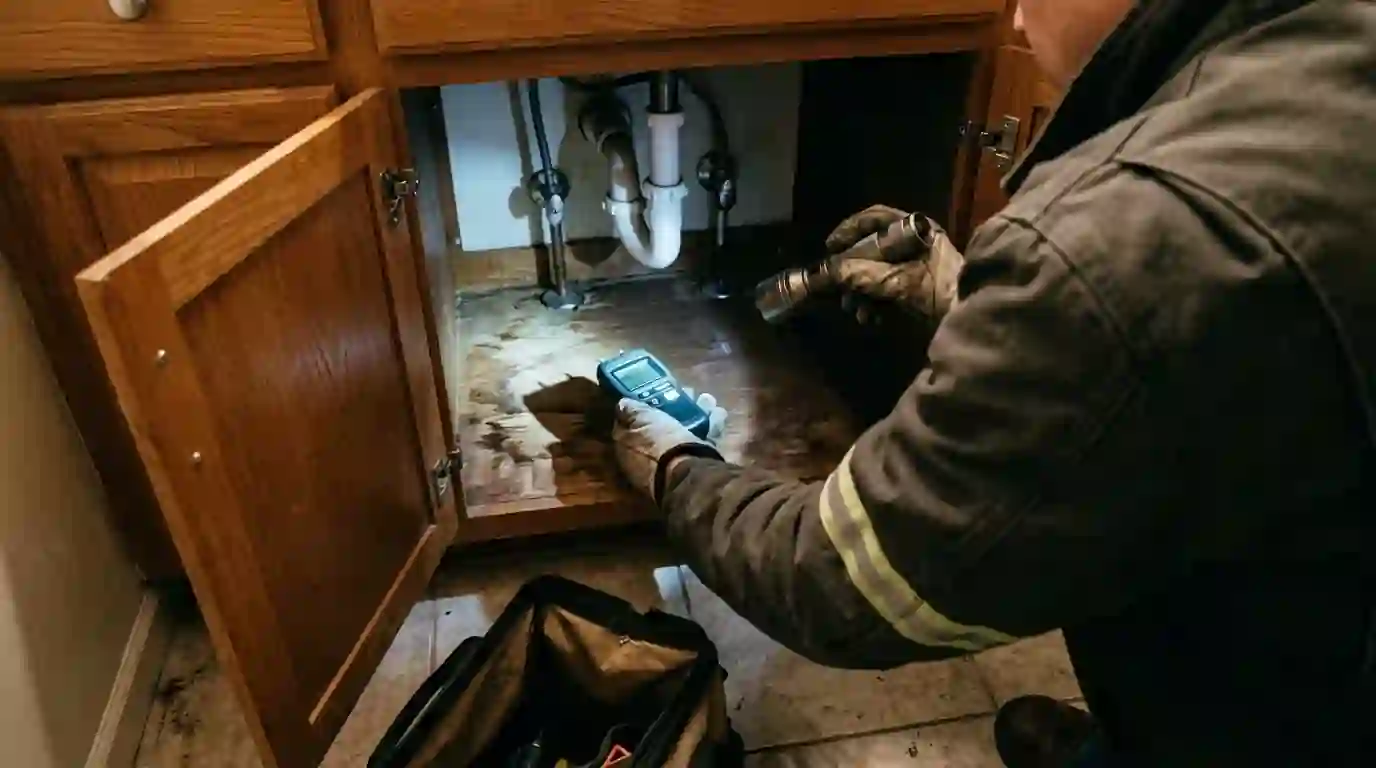
We walk the house with you, starting where you've noticed a smell or a past leak, and check the places mold usually starts: under sinks, around toilets and tubs, behind washers, under windows, in closets on outside walls, the attic and the crawl space. Meters and a thermal camera find damp materials behind surfaces. Where we suspect hidden growth, we may look behind a baseboard or through a small hole rather than opening a wall.
Air and surface sampling
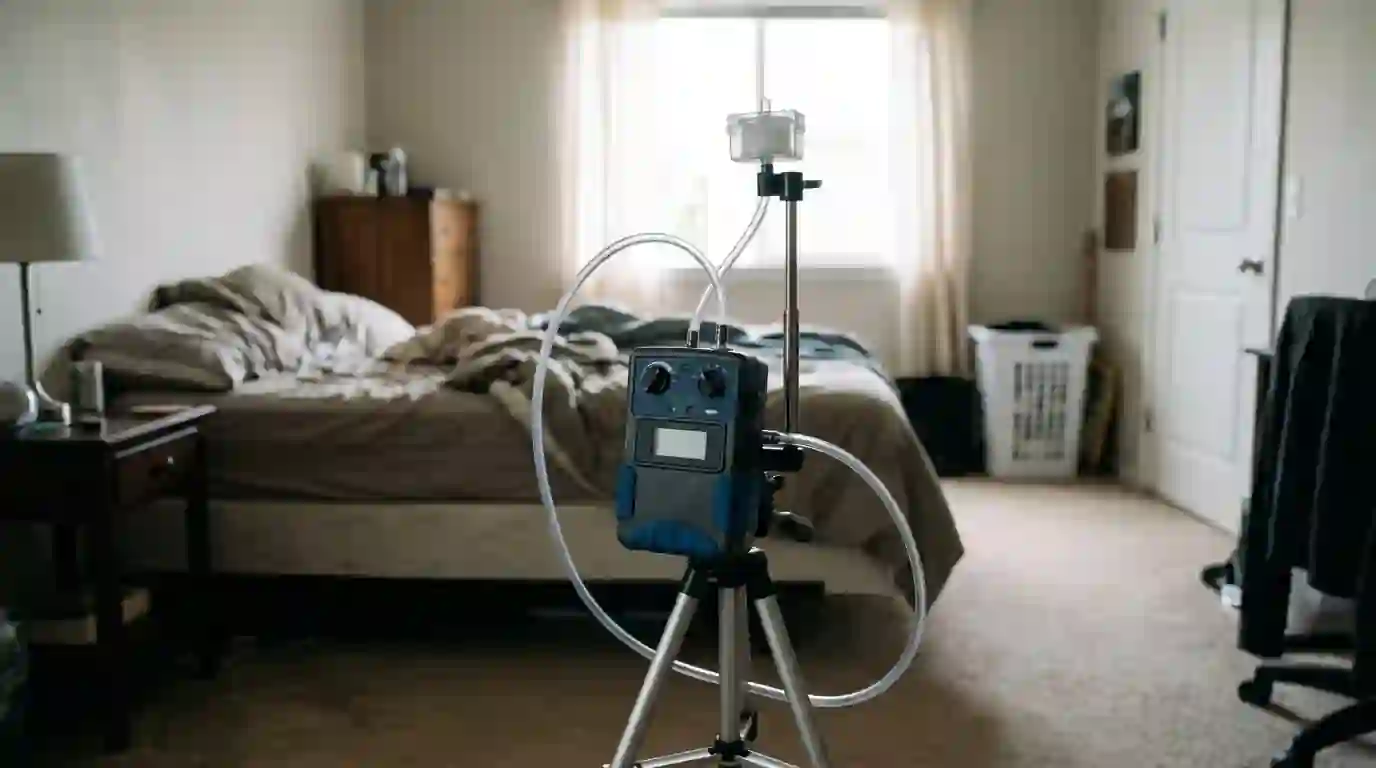
Air samples compare the spore count and types inside with an outdoor sample taken the same day, which helps when there's a smell and no visible growth. Surface samples, either a swab or tape lift, identify what's growing on a specific spot. Samples go to an independent lab, and we explain the results in plain terms. Sampling tells you what's there; it doesn't replace finding and fixing the moisture. We'll tell you up front how many samples make sense, so you're not paying for numbers you don't need.
Clearance after remediation
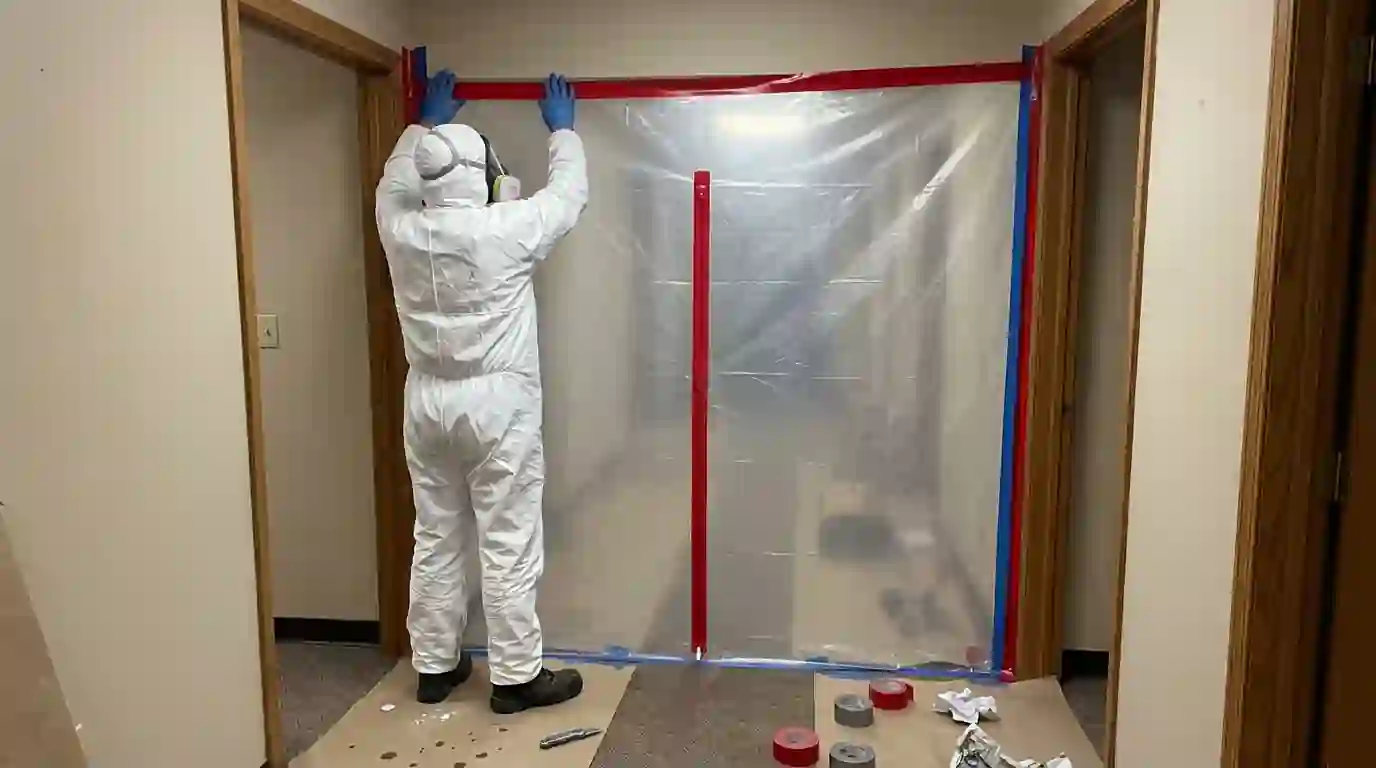
After mold removal, a clearance check confirms the work area is clean and dry before walls are closed and containment comes down. That includes a visual check, moisture readings on the framing and, when wanted or required by an insurer, air samples compared with outdoors. Clearance gives you a record that the problem was handled, which can matter when you sell the house. If clearance shows anything left behind, that area is cleaned again before the walls go back up.
Local conditions
Inspections in a fast-growing county
Canadian County grew more than 17 percent after 2020, and the Yukon, Mustang and Piedmont school districts all passed bonds to keep up with new families. A lot of growth means a lot of home sales and moves, and a good share of inspection calls come from buyers and new owners who want to know whether a past leak in a house they're buying, or just bought, left anything behind before they move furniture in.
Step by step
How a mold inspection runs
- 01
Hear the history
We start with what you've noticed: smells, leaks, stains, and when.
- 02
Inspect and measure
Visual check, meters and a thermal camera across likely areas and the reported spots.
- 03
Decide on sampling
We sample only when results would change what you do next.
- 04
Report
You get findings, photos, readings and any lab results in plain language.
- 05
Next steps
If remediation is needed, we explain the scope; if not, we say that too.
Your options
Inspection, testing or clearance
| Option | When it fits | What you get |
|---|---|---|
| Visual and moisture inspection | Visible growth or a known leak | Findings, readings, photos, recommendations |
| Air sampling | Musty smell with nothing visible, or a home purchase | Indoor versus outdoor spore comparison |
| Surface sampling | Identifying growth on a specific spot | Lab identification of what's growing |
| Clearance | After remediation, before closing walls | Confirmation the area is clean and dry |
What drives the price
What a mold inspection costs depends on
Inspection cost depends on the size of the home and whether lab samples are needed. Published local inspection prices vary too much to quote, so you'll hear the cost before anything is booked.
Size of the home
Larger homes and attics or crawl spaces take longer to inspect.
Sampling
Each air or surface sample adds a lab fee.
Access
Tight crawl spaces and attics take more time.
Clearance
Post-remediation clearance is a separate visit.
Straight answers
Questions about this job
Usually not. If growth is visible and the cause is known, removing it and fixing the moisture is the priority. Testing helps when nothing is visible or for clearance.
A lab can identify the type, but any significant indoor growth should be removed regardless of type.
No. A general home inspection may note signs of moisture; a mold inspection focuses on moisture and growth in more depth.
Rarely. We may look behind a baseboard or through a small hole when we strongly suspect hidden growth, with your OK.
Yes. If remediation is needed, we can do it, and the scope comes from the inspection findings.
Typically a few business days, depending on the lab and the type of sample.