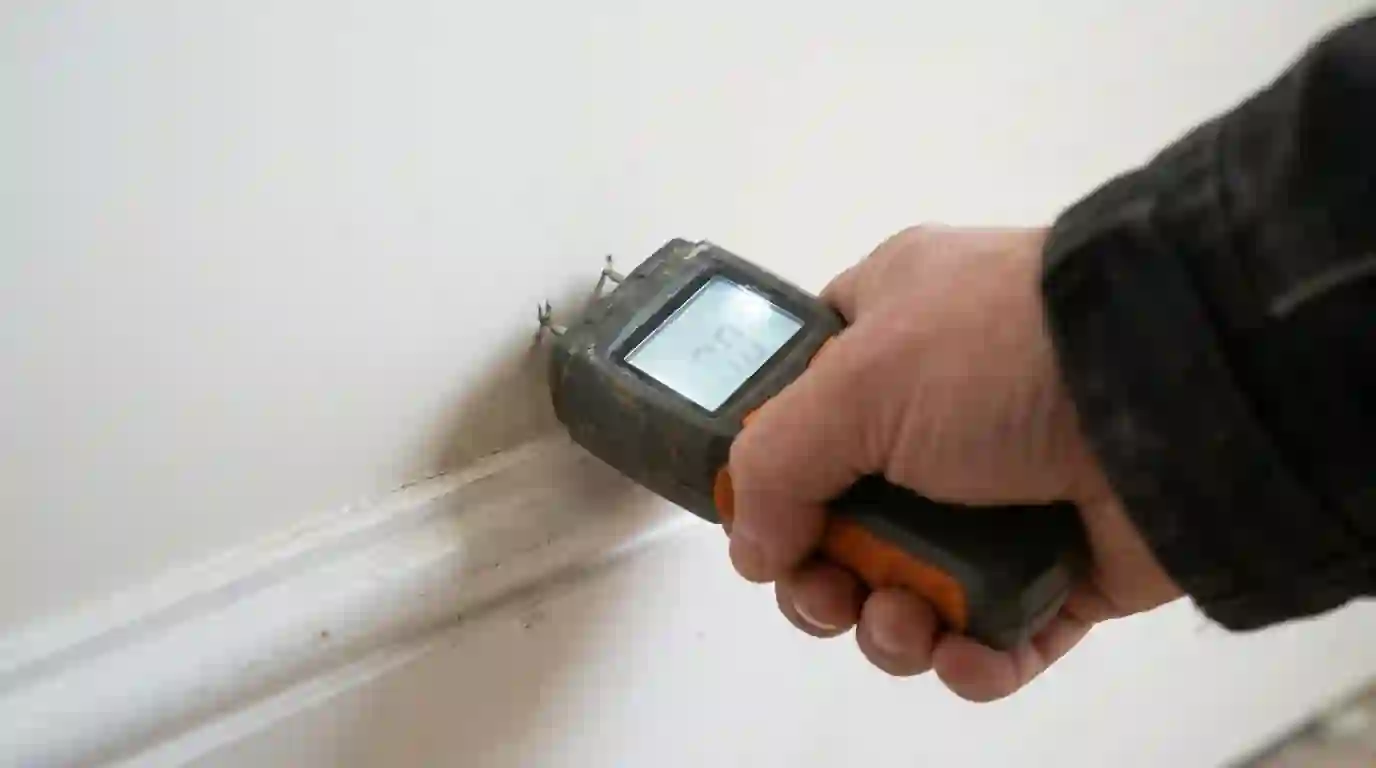
Short answer
After a sewage backup, porous materials the sewage soaked, including carpet, pad, upholstered furniture, mattresses, cardboard, paper and drywall below the water line, are thrown out. Hard, non-porous items like tile, metal, glass and sealed wood can usually be cleaned and disinfected. Keep people and pets away until it's cleaned.
Safety first
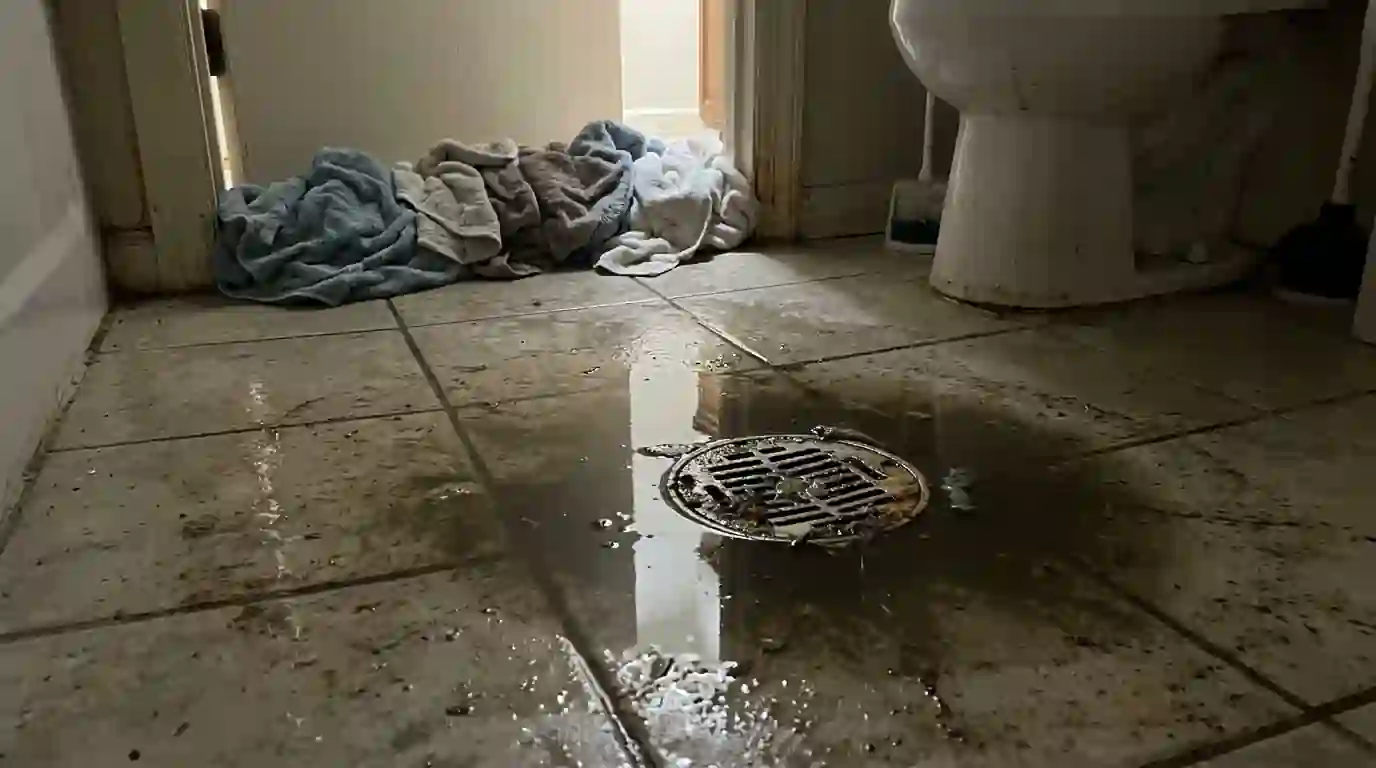
Sewage carries bacteria and other contaminants. Keep children, pets and anyone with a weakened immune system away from the affected area. Stop using water anywhere in the house, because every flush or shower adds to what's on the floor until the line is cleared.
Don't wade in without boots and gloves, don't run a household vacuum or fans on it, and don't try to dry sewage-soaked materials; drying them just spreads what's in them.
Water line, open now
Sewage on the floor now?
Stop running water in the house and call. We'll contain it and clean it up safely.
What has to go
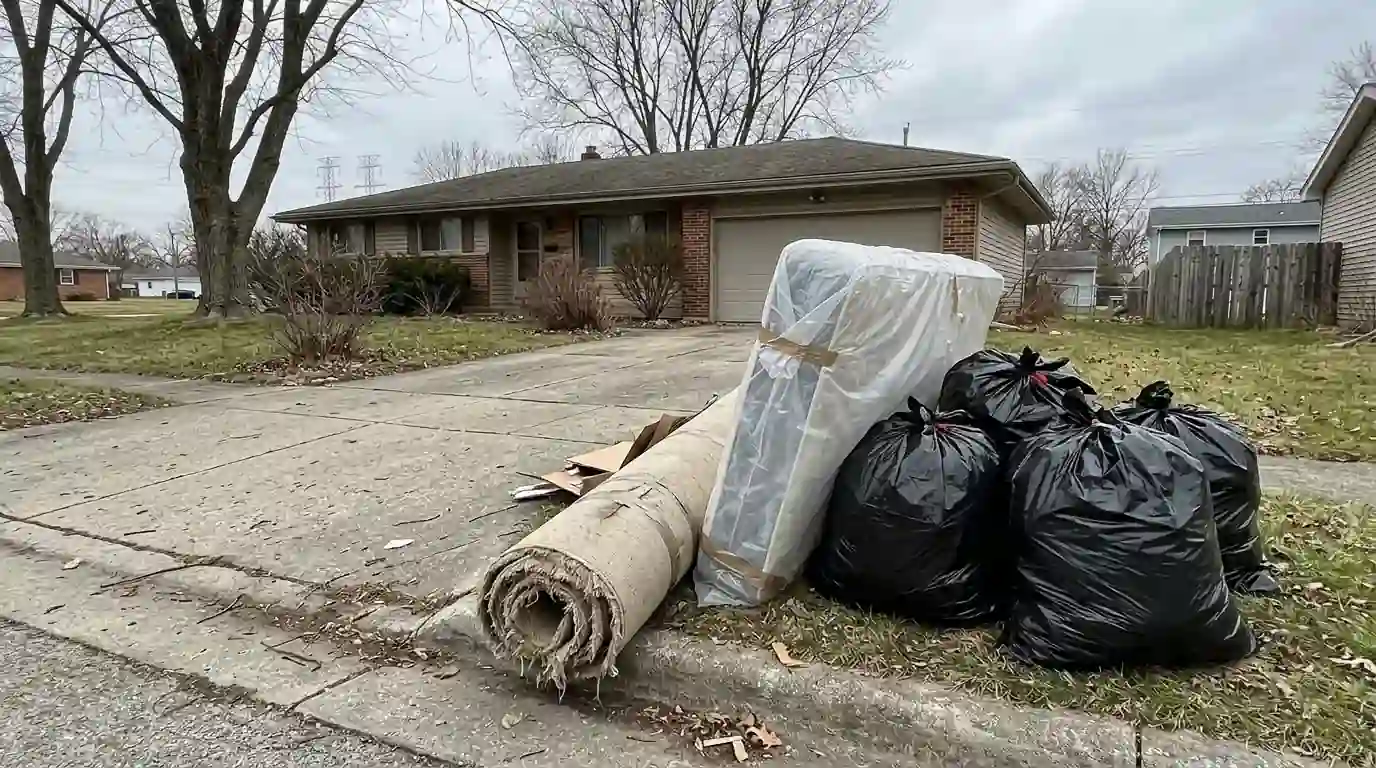
Anything porous that sewage soaked into can't be cleaned well enough from the inside.
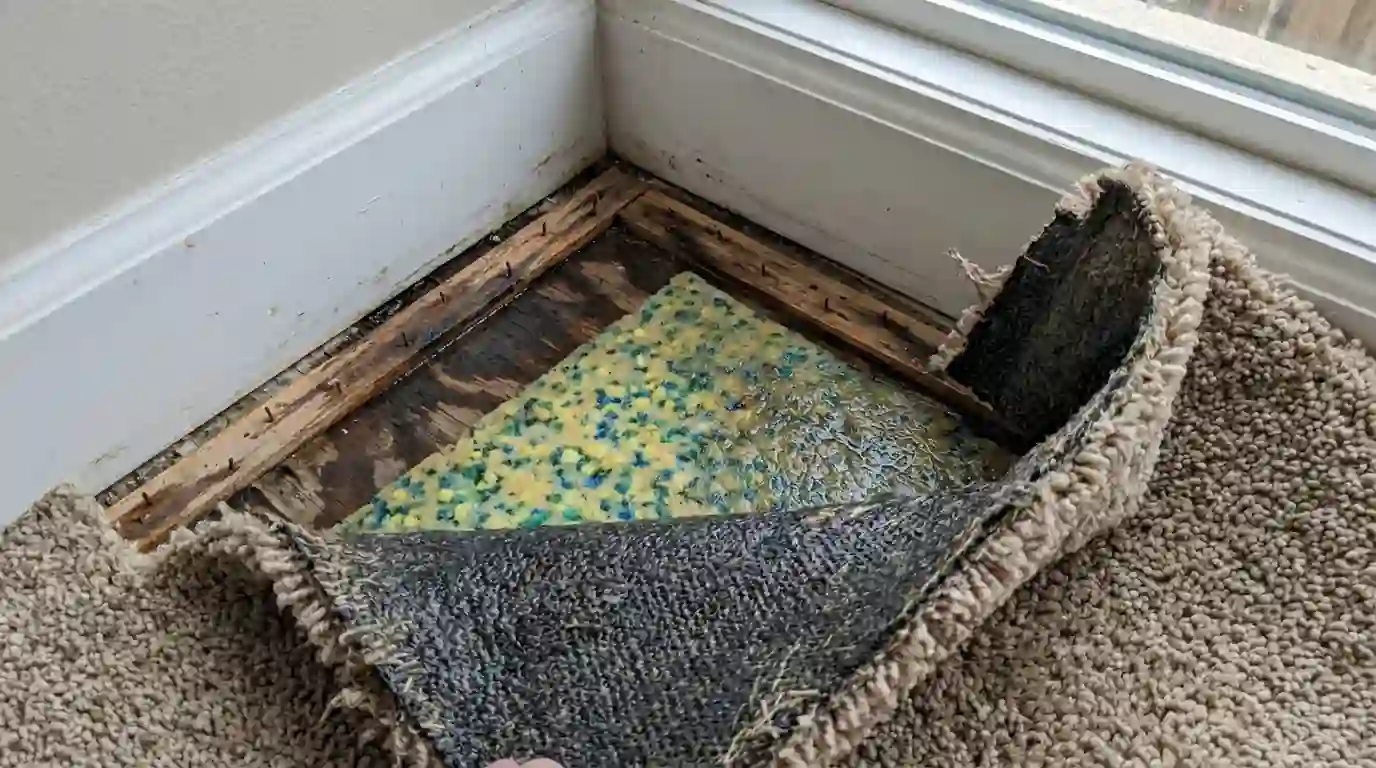
- Carpet and carpet pad
- Upholstered furniture and cushions
- Mattresses and box springs
- Cardboard boxes and their paper contents
- Soft toys and fabric items that can't be laundered hot
- Drywall and insulation below the contamination line
What can usually be cleaned
Hard, non-porous surfaces can usually be cleaned and disinfected: tile, sealed concrete, vinyl, metal, glass, hard plastics and solid wood furniture with an intact finish. Clothing and fabrics that can be washed hot may be salvageable, depending on how badly they were soaked.
When in doubt, photograph it and set it aside. Your adjuster may want to see it, and a decision doesn't have to be made in the first hour.
How the cleanup runs
The plumber clears the line first. Then the area is contained so contaminated air doesn't spread, standing sewage is extracted, porous materials are removed and bagged, and hard surfaces and the slab are cleaned and disinfected before any drying starts.
Drywall is cut above the contamination line so the framing can be cleaned and dried. Once everything reads dry and has been checked, repairs can start.
Why the cause matters
Sewer lines can back up from roots, grease, collapsed or shifted pipe, or heavy rain overwhelming the system. In Oklahoma, expansive clay that swells and shrinks with the weather is hard on older sewer laterals, and the Oklahoma Geological Survey notes that saturation from sewer leakage can itself damage foundations and utility lines.
Ask the plumber what caused the backup. If it's a recurring problem, a backwater valve or a line repair may prevent the next one.
Where the cleanout is, and why it matters
Most houses have a sewer cleanout, a capped pipe outside near the foundation or in the yard, sometimes inside in a garage or utility area. It's where the plumber clears the line from, and it's also an early warning: if water is standing in the cleanout, the line is blocked downstream.
Find yours before you need it. If it's buried, damaged or covered by landscaping, clearing a backup takes longer, and the plumber may have to work through a toilet or a fixture instead.
Cleaning hard items yourself
Some hard, non-porous items can be cleaned at home if you want to: plates, metal tools, glass, hard plastic toys. Wear gloves and eye protection, wash off visible contamination with detergent and water first, then use a disinfectant according to its label and let it air dry.
Anything porous, anything with crevices you can't reach, and anything a child puts in their mouth is usually better thrown out. Keep cleaned items separate from the work area until the house has been cleaned.
Photos, papers and keepsakes
Some things matter more than their replacement cost. Family photos, important documents and keepsakes that sewage touched aren't automatically lost. Photos and papers can sometimes be rinsed, frozen to stop further damage and handled by a document restoration specialist later.
Tell the crew early which items matter most. They can set them aside, bag them separately and keep them cold instead of letting them go out with the rest of the debris. Anything you decide to keep should stay sealed and away from living areas until it's been cleaned.
Insurance and sewage
Sewer backups are often excluded from standard homeowners policies unless a sewer or water backup endorsement was added. Check your declarations page, keep the plumber's invoice, and photograph everything that's thrown out.