Short answer
Homeowners insurance in Oklahoma commonly covers sudden, accidental water damage, such as a burst pipe or a failed supply line, and commonly excludes slow leaks, wear and outside flood water, which needs separate flood coverage. Sewer backups often need an added endorsement. Your policy and adjuster decide; good documentation helps.
Sudden versus gradual
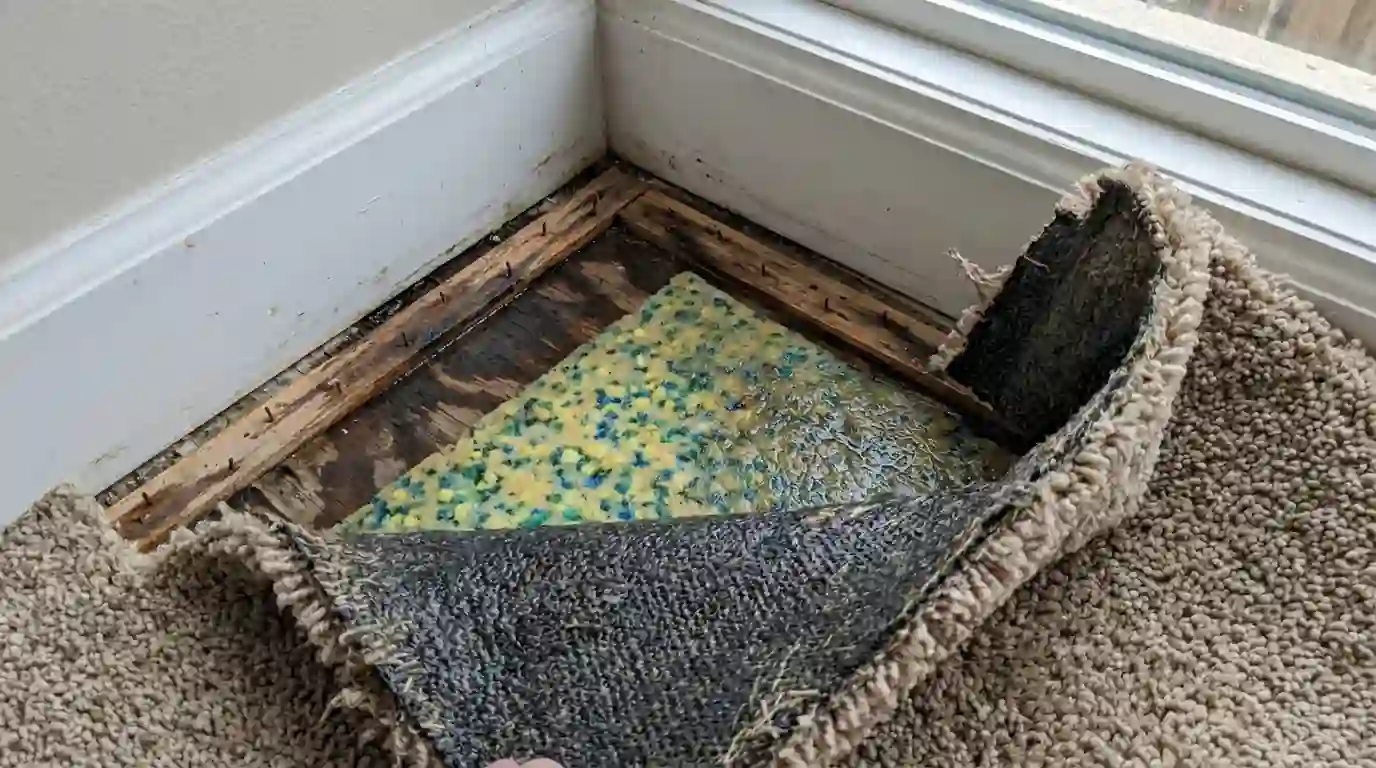
The line most policies draw is between sudden and gradual. A pipe that bursts in a freeze, a washer hose that splits or a water heater that fails is usually treated as sudden and accidental. A drip under a sink that rotted the cabinet over months is usually treated as wear or maintenance.
Evidence matters here. The failed part, how fresh the damage looks and how far it spread all help show which kind of loss it was. This is general information, not legal advice; your policy wording controls.
Flood water is usually separate
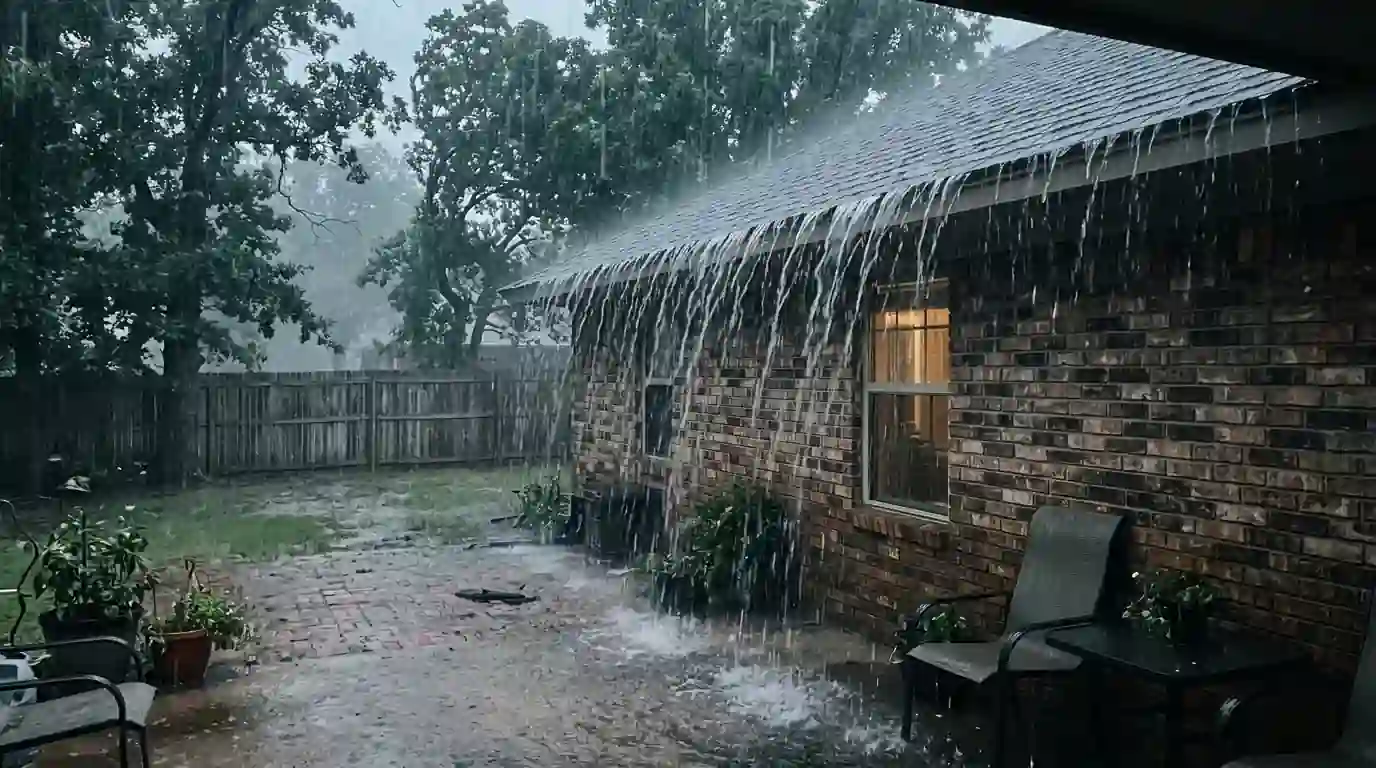
Water that comes in from outside, such as rising water from heavy rain or a creek, is usually excluded from standard homeowners policies. Flood coverage is typically a separate policy, through the National Flood Insurance Program or a private insurer.
Rain blown in through a damaged roof or window after a storm is often treated differently from rising flood water, because the storm damage created the opening. Ask your agent how your policy handles each.
Water line, open now
Need the damage documented?
We photograph and log readings from the first visit, so your adjuster sees what happened.
Sewer backups and mold
Water or sewage backing up through a drain is often excluded unless the policy has a sewer or water backup endorsement. It's worth checking your declarations page before you ever need it.
Mold is commonly limited or excluded when it results from a long-term leak, and sometimes capped even when it follows a covered loss. Drying quickly helps on both counts.
What adjusters look for
A clean claim file answers what caused the water, how far it went and what had to be done.
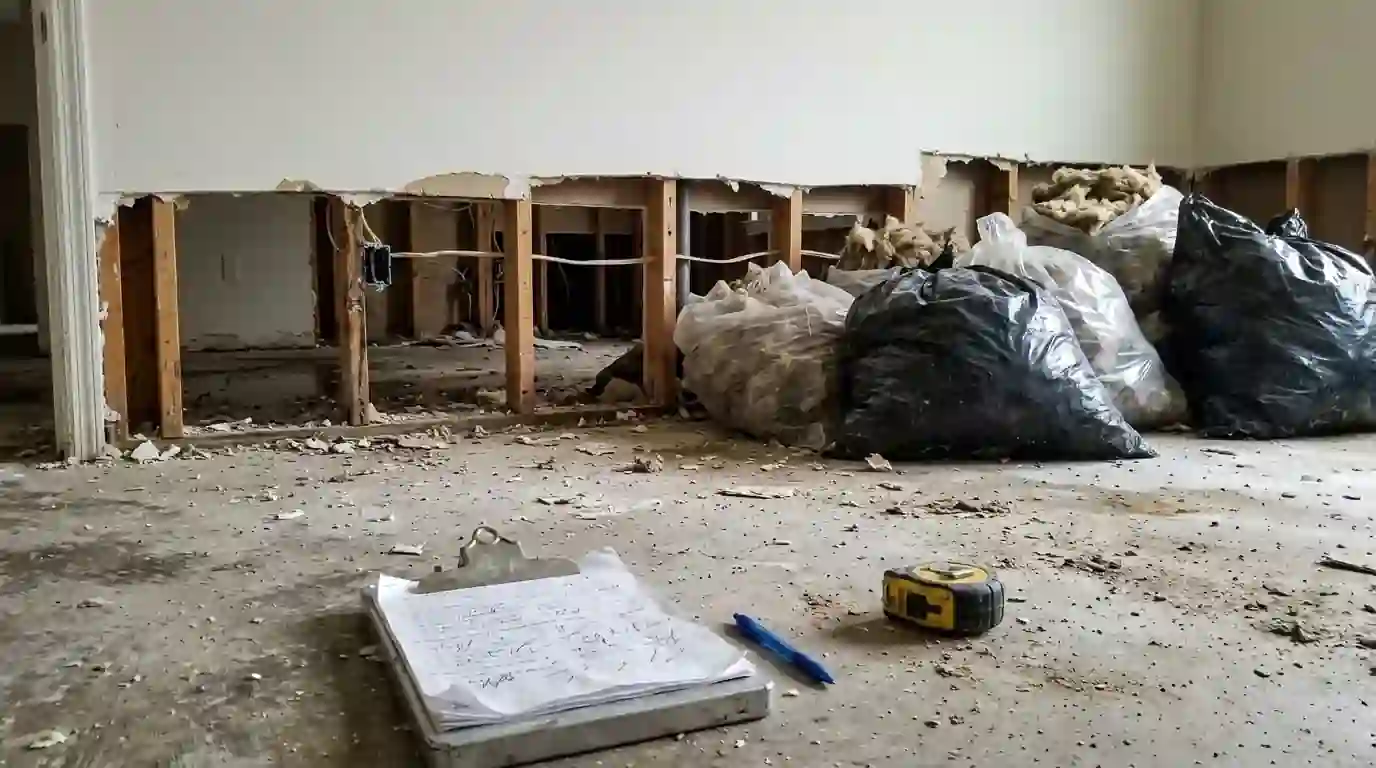
- Photos of the source and the damage before cleanup
- The failed part, or photos of it
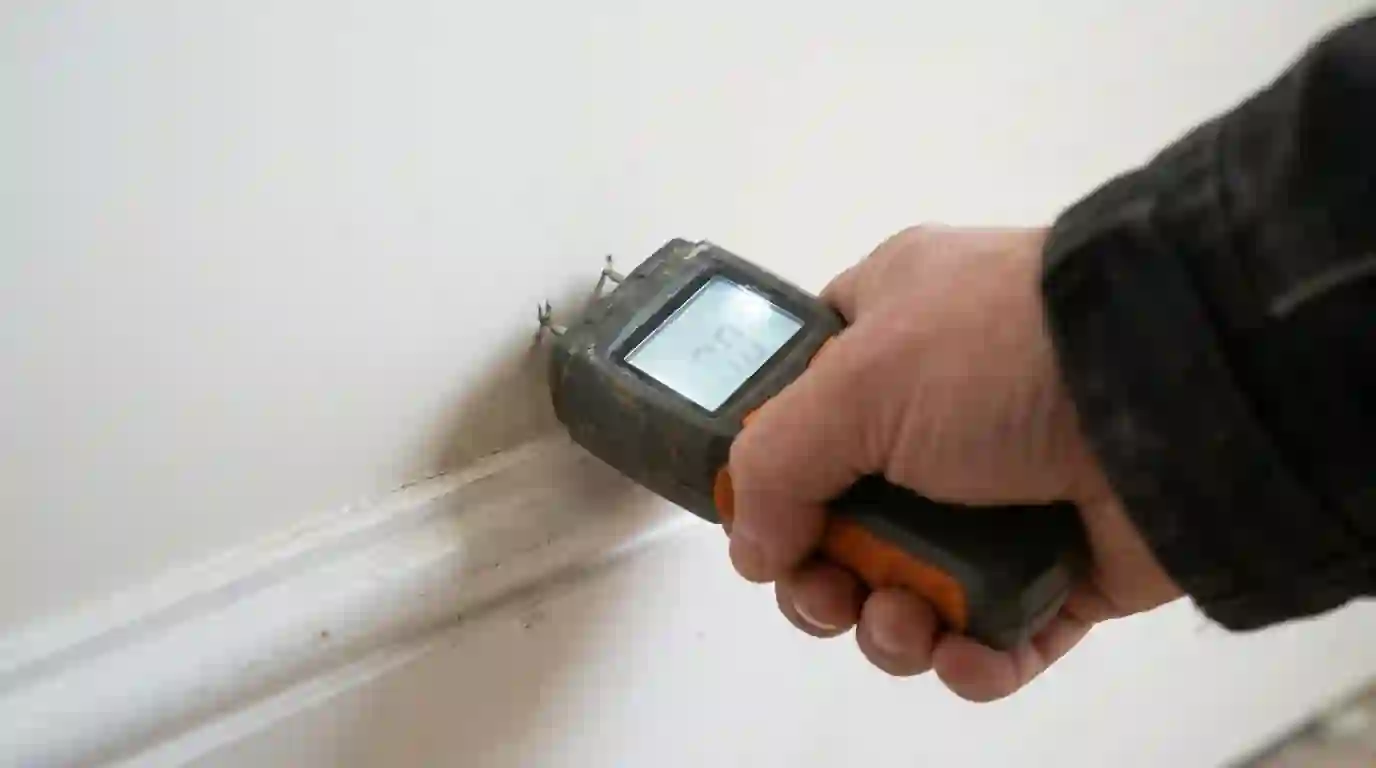
- Moisture readings showing how far water spread
- Dated readings showing the structure drying
- A list of removed materials with photos and reasons
- Plumber's invoice for the repair
Your part after a loss
Policies generally expect you to take reasonable steps to prevent further damage, which means stopping the water and starting mitigation rather than waiting for the adjuster. Keep receipts for emergency work.
Report the claim promptly, keep a record of who you talked to and when, and ask your adjuster before throwing away anything significant. If you have questions about how your insurer is handling a claim, the Oklahoma Insurance Department handles consumer questions.
Policy words worth knowing
Policies use a handful of terms that decide water claims. Knowing them makes the conversation with your adjuster much easier.
- Sudden and accidental: a loss that happens quickly and unexpectedly, like a burst pipe
- Repeated seepage or leakage: water damage over weeks or months, often excluded
- Mitigation or reasonable repairs: what you're expected to do to stop further damage
- Actual cash value: replacement cost minus depreciation
- Replacement cost: what it costs to replace with new, often paid in stages
- Deductible: the part of a covered loss you pay first
When the adjuster can't come right away
After a hard freeze or a major storm, adjusters can be booked up for days or longer. That doesn't mean waiting to dry the house. Photograph and video everything before work starts, keep the failed part and any removed materials until you're told otherwise, and keep the drying log and invoices.
Most adjusters can work from that record, and many will review photos and readings remotely. A wet house left alone while you wait can turn a drying job into a mold job, which is harder to get covered.
Renters and landlords
In a rental, the building's policy usually covers the structure, such as walls, floors and fixtures, while the tenant's renters policy covers the tenant's belongings. When water from one unit damages another, both owners and both tenants may have claims.
If you rent, report the leak to the landlord immediately, photograph your belongings, and contact your own insurer. If you own a rental, get the water stopped and the units dried; the paperwork can be sorted once the damage stops growing.
Is it worth filing?
For a small leak caught early, the total cost may be less than your deductible. Angi reports most water damage jobs nationally landing between $450 and $16,000, with an average near $3,868, so it helps to know the likely scope before filing.
We can read the damage and explain the scope so you can make that decision with real information.