Short answer
In an Oklahoma rental, the owner's insurance usually covers the building itself, such as walls, floors and fixtures, while the tenant's renters insurance covers the tenant's own belongings. Who ultimately pays can depend on what caused the water. Tenants should report the leak to the landlord in writing right away, and both sides should photograph everything.
The usual split
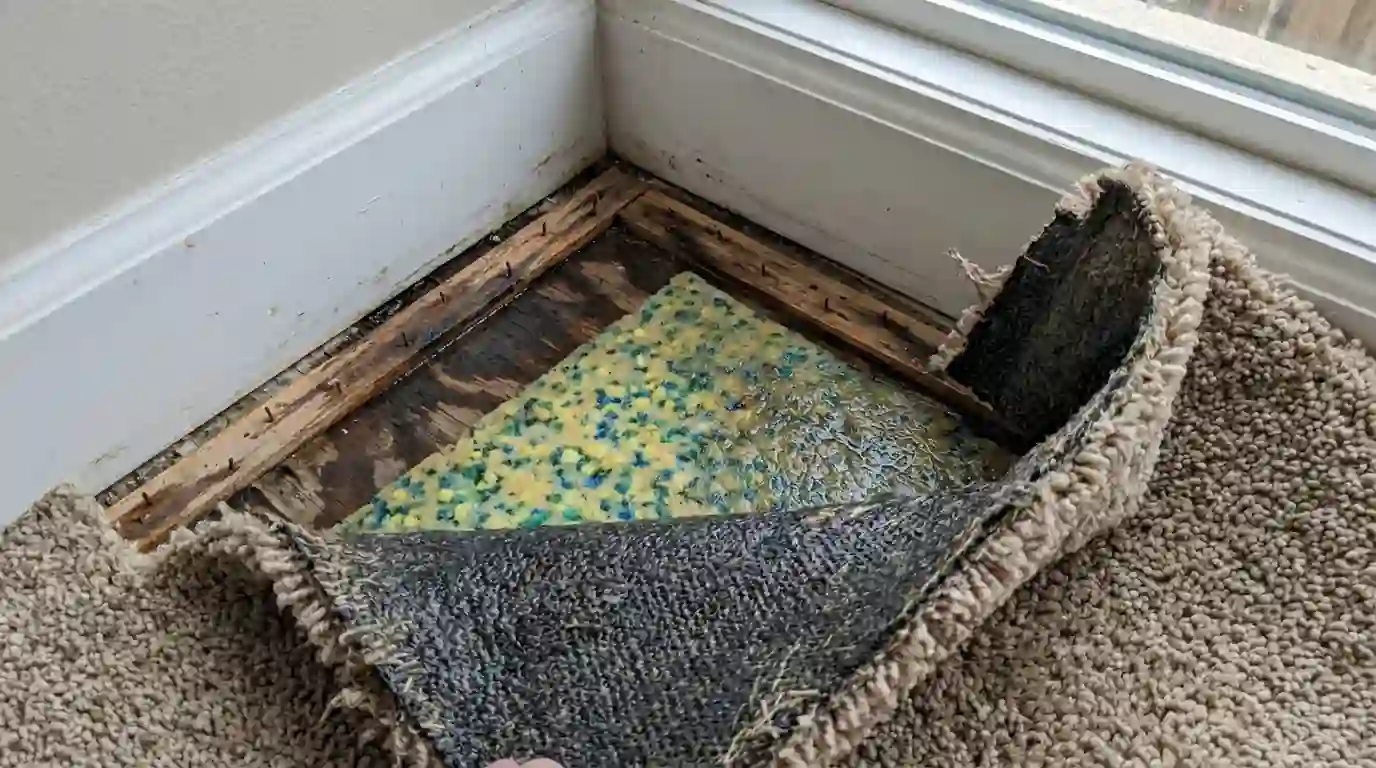
Most water damage in rentals splits along one line: the structure and the belongings. The owner, and the owner's policy, generally deals with the building: drywall, flooring, cabinets, fixtures, and drying the structure. The tenant, and the tenant's renters policy if they have one, deals with the tenant's own furniture, clothing, electronics and other belongings.
That split surprises tenants without renters insurance. The landlord's policy usually doesn't cover a tenant's sofa or laptop, even when the leak wasn't the tenant's fault.
When the cause changes who pays
The cause of the water can shift things. A pipe that fails inside the wall is usually treated as the owner's responsibility. Damage caused by a tenant's negligence, such as an overflowing tub left running, can shift costs toward the tenant, and in a multi-unit building, toward the tenant whose unit the water came from.
This is general information, not legal advice. Your lease, your policies and the facts of the loss decide it, and for a dispute it's worth talking to an attorney or Legal Aid Services of Oklahoma.
Tell the landlord in writing
Oklahoma's Residential Landlord and Tenant Act generally expects tenants to report defective conditions to the landlord as soon as they're discovered, and the tenant protections in the Act are tied to written notice. A phone call gets help moving, but follow it with a text, email or letter that says what happened, when and where.
Under the Act, landlords generally have 14 days after written notice to fix conditions that affect health or safety, or sooner in an emergency, before tenants' remedies come into play. Active water coming through a ceiling is the kind of emergency where nobody should wait 14 days.
Water line, open now
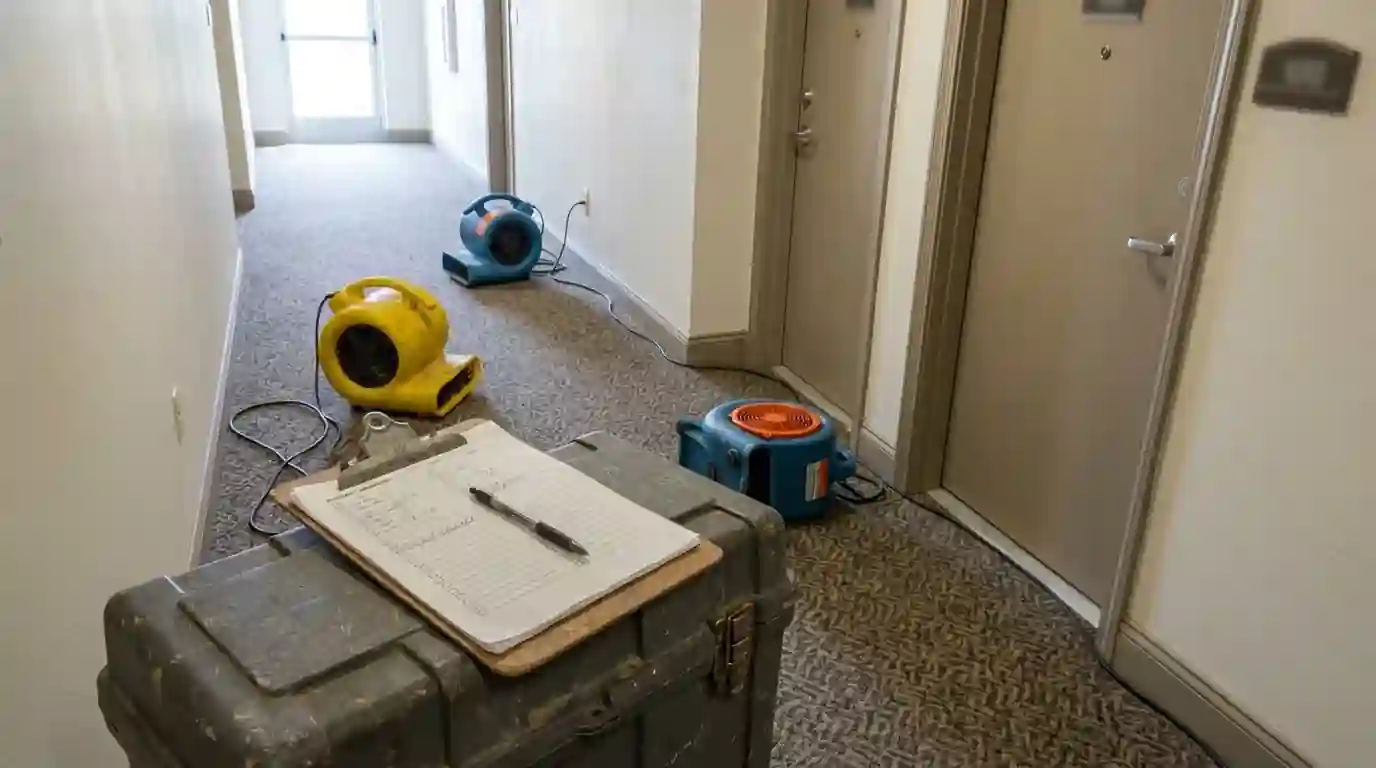
Water spreading between units?
We'll find every unit it reached and dry them one at a time.
What tenants should do
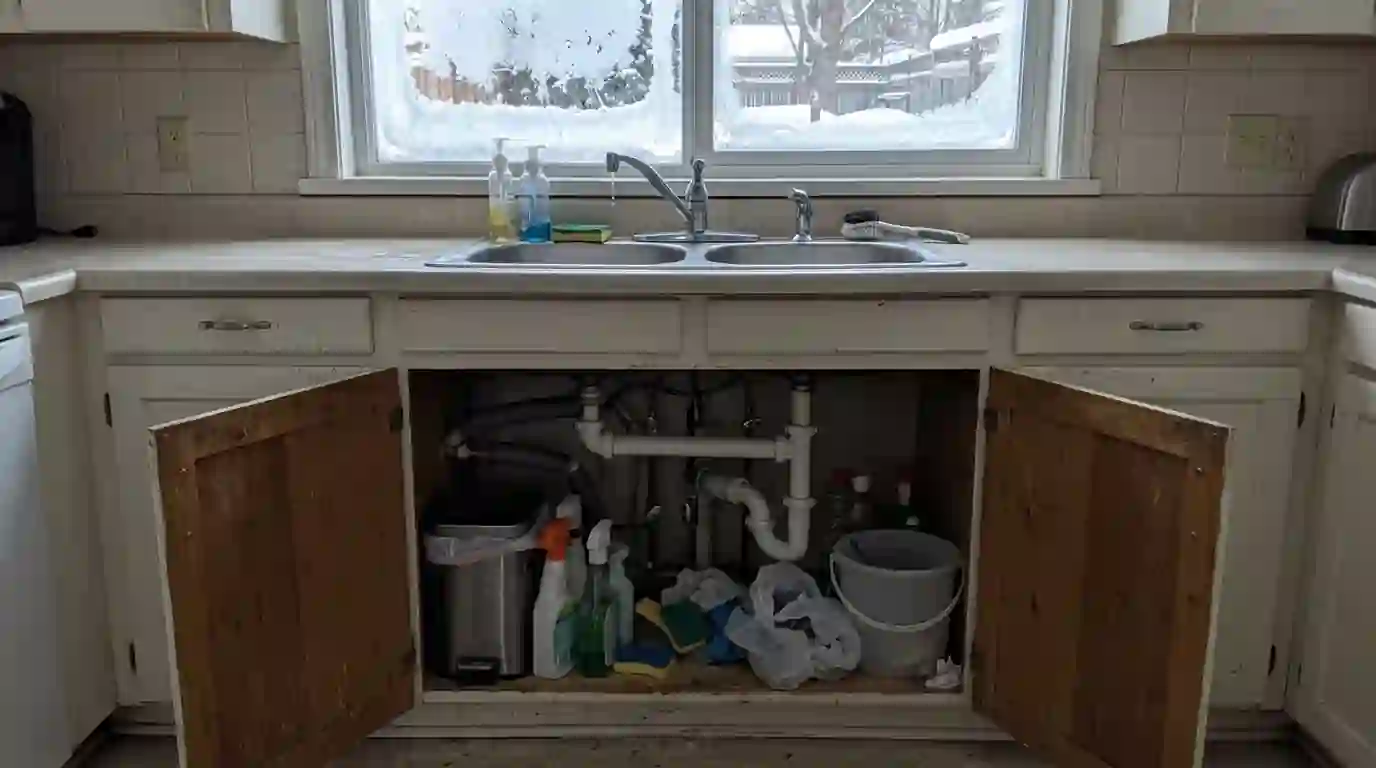
Stop the water if you can safely reach a shutoff, move your belongings out of harm's way and photograph everything before cleanup. Then report it to the landlord or property manager, in writing, and call your renters insurer if you have a policy.
- Photograph the source, the wet rooms and your damaged belongings
- Report the leak to the landlord in writing, with the date and time
- Keep receipts if you have to stay elsewhere or replace essentials
- Don't throw out damaged belongings until your insurer says so
- Ask the landlord who is handling the drying
What owners should do
Get the water stopped and the units dried; that's the part that keeps the bill from growing. In multi-unit buildings, check the units below and beside the source, not just the one that called.
Keep the tenant informed about access, equipment and timing, document each unit separately, and keep the failed part and the plumber's invoice. Those records matter to your insurer and to any conversation about cause.
Renters insurance in plain terms
Renters insurance usually covers three things: the tenant's belongings, extra living costs if the unit can't be lived in while it's repaired, and liability if the tenant accidentally damages someone else's property, such as the unit below. Limits, deductibles and exclusions vary by policy.
Policies are often inexpensive compared with replacing a household of belongings out of pocket. If you rent and don't have one, a water loss is a costly way to find out what it would have covered.
Moving out after water damage
If water damage is still part of the story at move-out, document the unit carefully. Photos and dates from when the leak happened, copies of your written notices to the landlord, and records of who did the repairs all help show what was, and wasn't, caused by the tenant.
Owners should keep the same records. Clear documentation from the start avoids most arguments about deposits later.
How we handle rentals
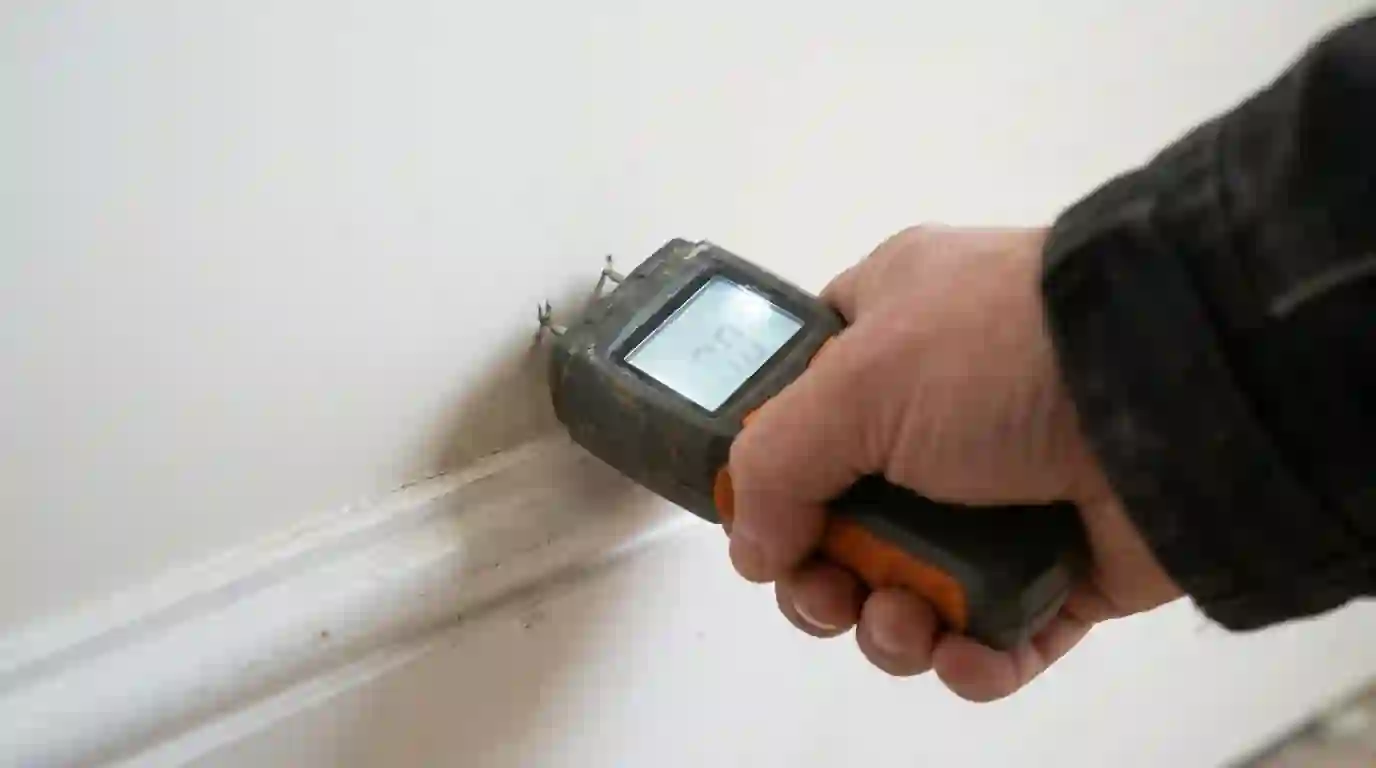
When a rental floods, we work with whoever authorizes the work on the building, usually the owner or property manager, and we give tenants notice before entering. Each affected unit gets its own readings and its own record.
We photograph tenants' damaged belongings with them so they have what their own insurer will ask for, even though the drying work is for the building.