Short answer
In an Oklahoma City freeze, pipes in outside walls, attics, garages and crawl spaces split when the water inside them freezes and expands; the leak usually starts when the ice thaws. Close the main, open a low faucet to drain the line, call a plumber for the pipe and a restoration crew for the water already in the walls.
Why Oklahoma freezes break pipes
Central Oklahoma doesn't freeze hard every winter, which is part of the problem: many lines aren't protected for it. When it does, it can stay cold for days. Oklahoma City fell to -14°F on February 16, 2021, its second-coldest reading on record, and after the January 2024 storm much of central Oklahoma stayed below freezing for about four and a half days.
In the February 2021 freeze, city crews worked 31 water main breaks and answered more than 400 calls about frozen private pipes, while dripping faucets pushed water demand from about 75 million to over 150 million gallons a day.
Why the leak shows up at the thaw
Water expands when it freezes. Pressure builds between the ice plug and a closed faucet until the pipe splits, often while it's still frozen and not leaking. When the temperature climbs and the ice melts, the split line runs at full house pressure.
That's why burst-pipe calls spike the first warm afternoon after a cold snap, and why a house that seemed fine during the freeze can have water pouring through a ceiling the next day.
Water line, open now
Pipe burst right now?
Close the main and call. We'll get the water out of the walls.
Where pipes usually split
The pipes that freeze first are the ones furthest from the house's heat.
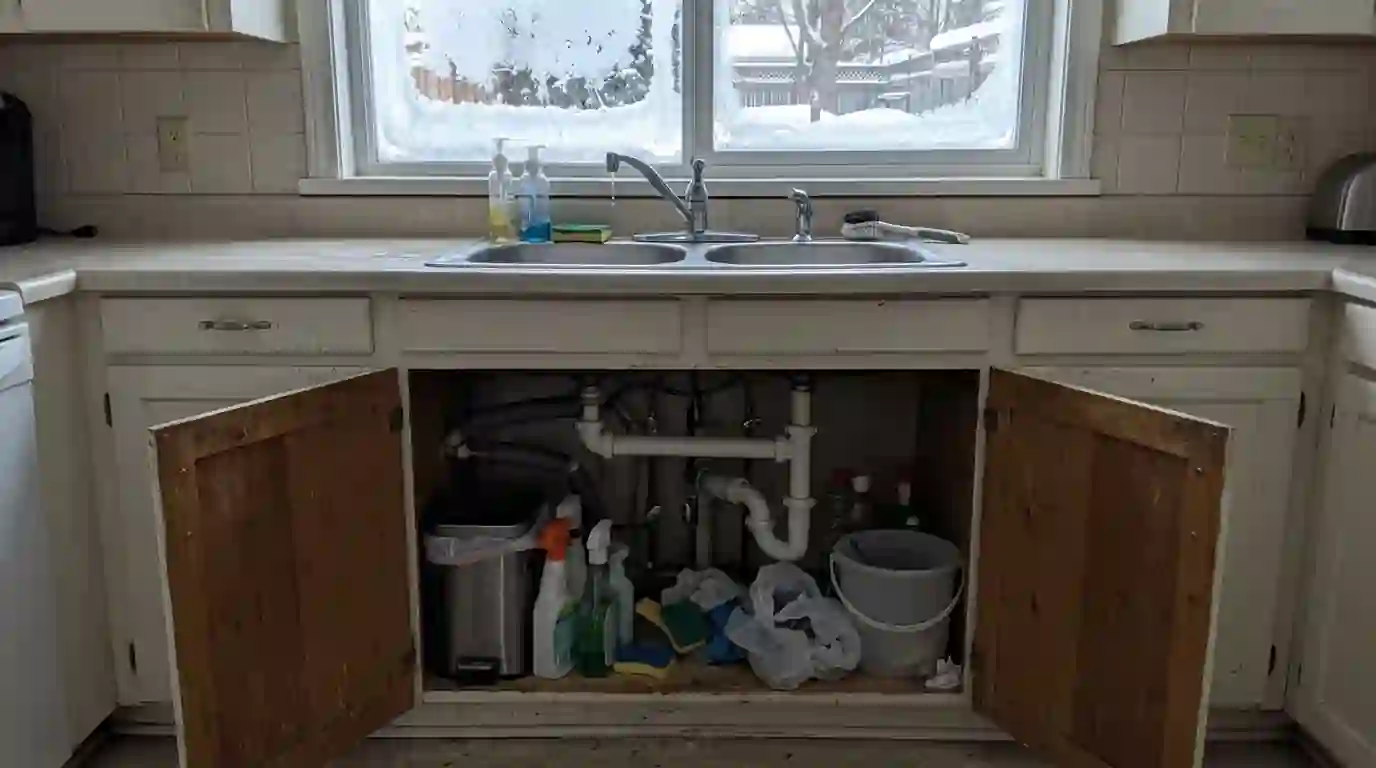
- Lines in exterior walls, especially behind kitchen and bathroom sinks
- Pipes running through attics
- Lines in unheated garages and utility rooms
- Plumbing in crawl spaces and under manufactured homes
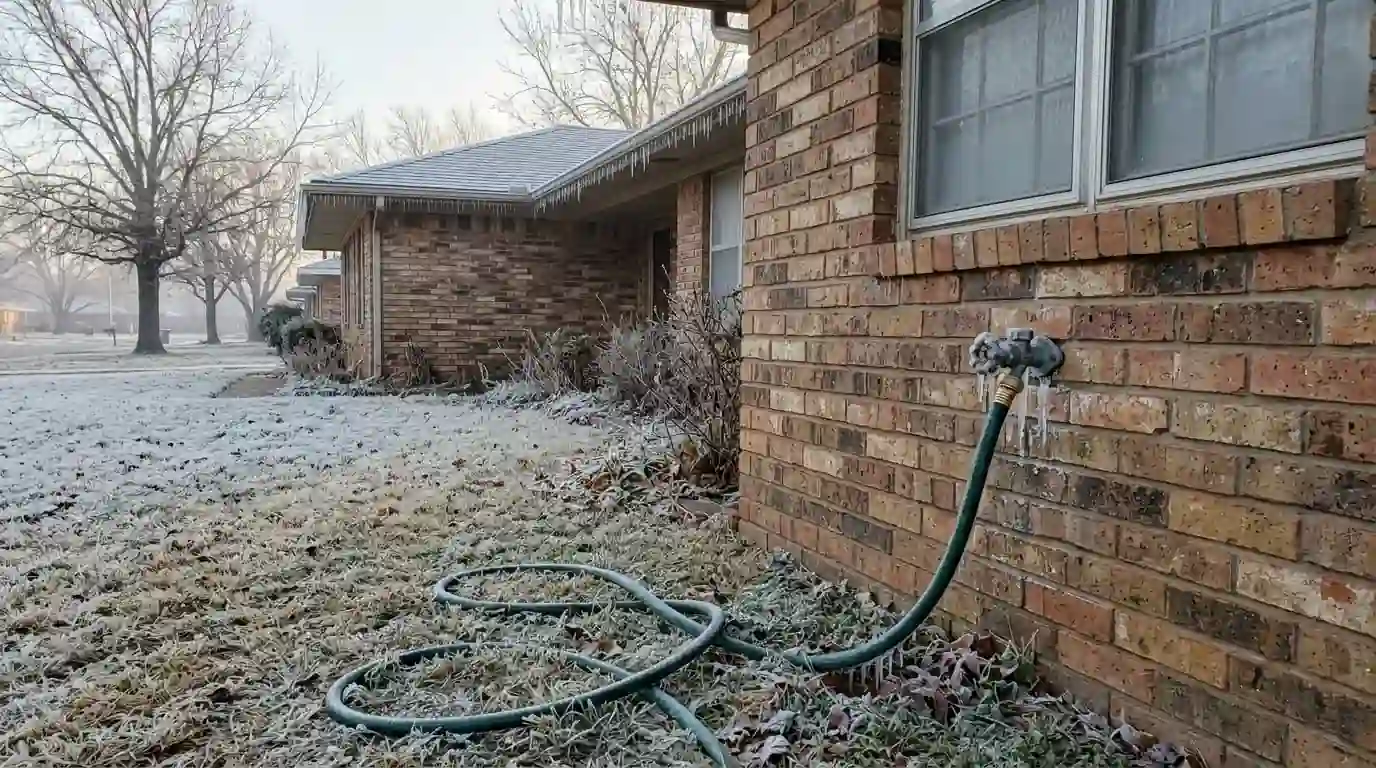
- Outdoor hose bibs with a hose still connected
What to do when one lets go
Close the main. Then open a faucet at the lowest point in the house to drain the line and relieve pressure. If water is coming through a ceiling or near outlets, switch off the breakers for that area if the panel is dry.
Call a plumber for the pipe. Call us for the water: extraction, ceiling relief, opening the wall where needed, and drying the cavity. The two can happen the same day.
How the cleanup runs
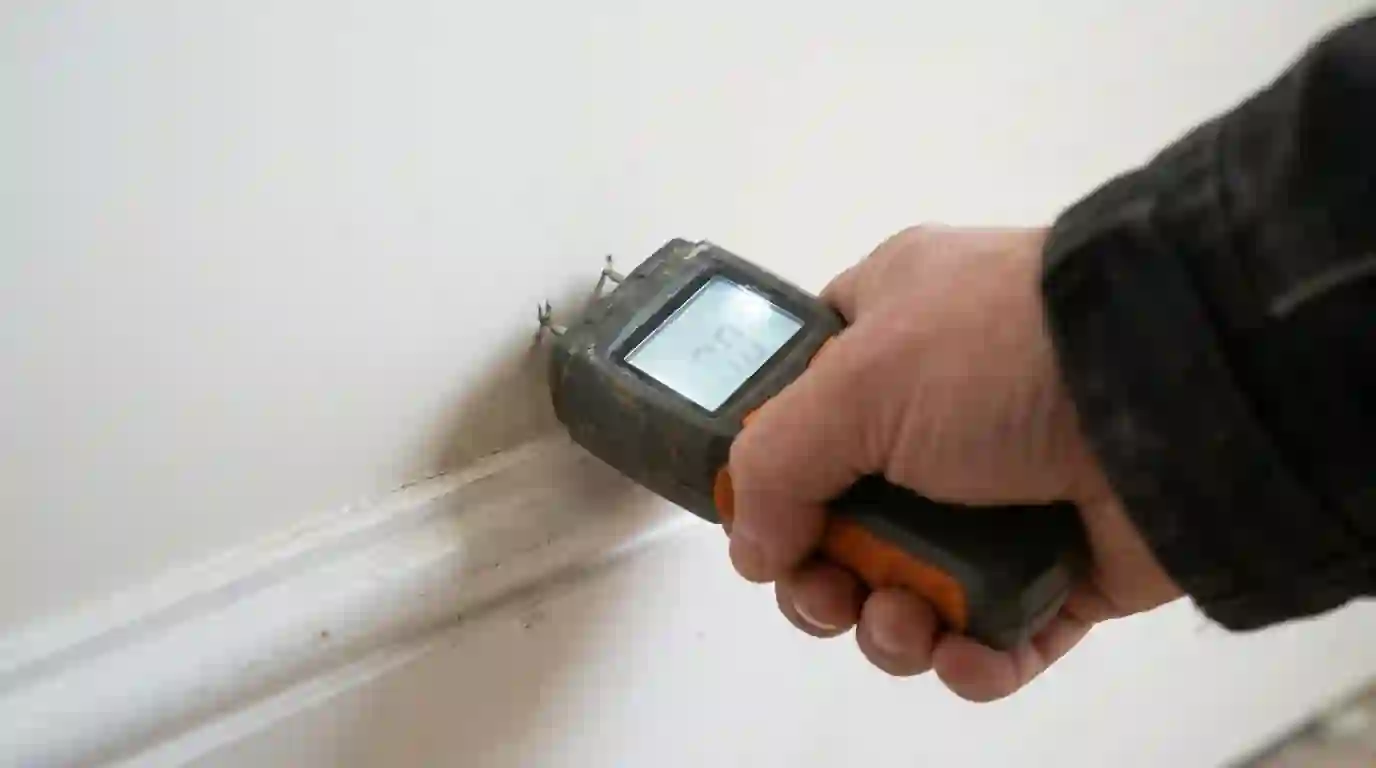
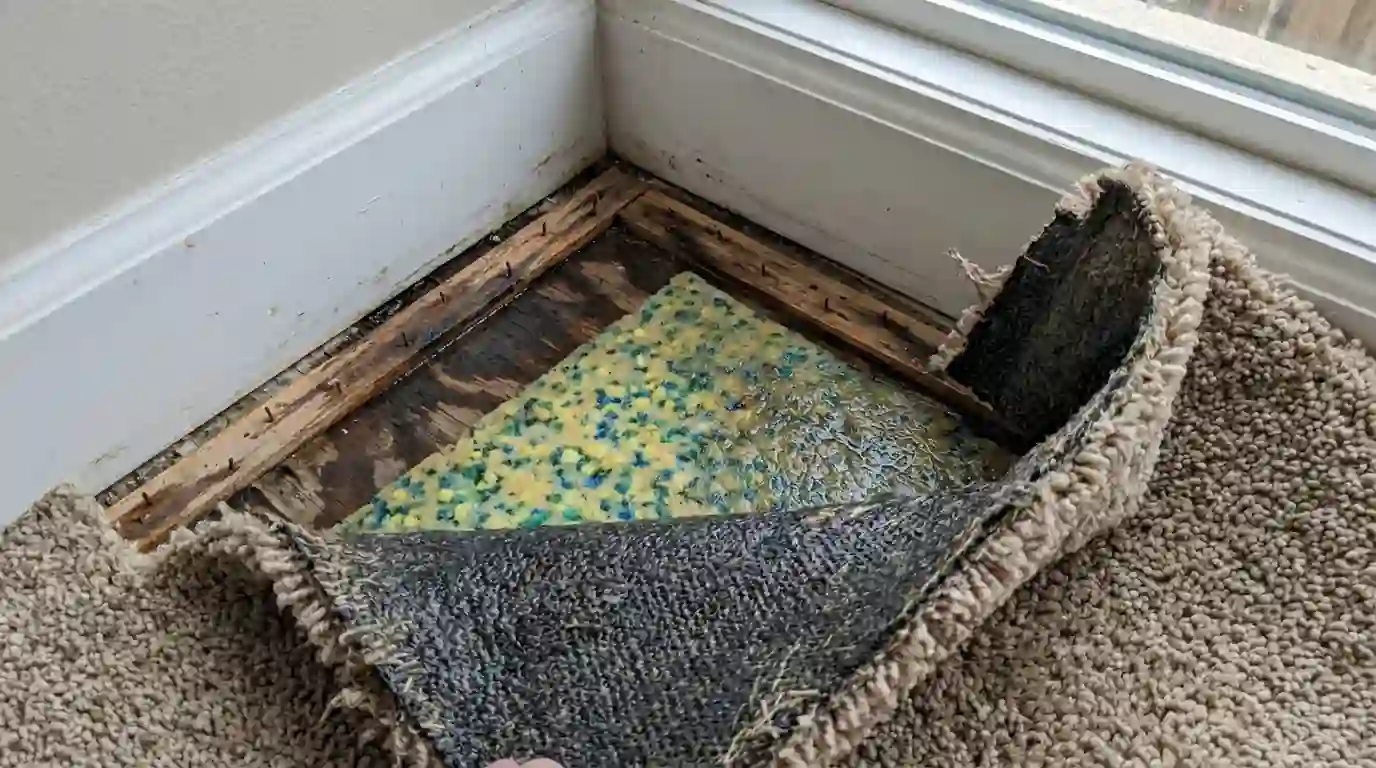
Burst pipes cause more damage than they look like because the water travels inside walls and ceilings before it shows. We trace it with meters and a thermal camera, extract standing water, relieve wet ceilings, pull baseboards and dry wall cavities through small openings where possible, or cut out a strip of drywall where the wall is saturated.
Drying usually takes several days of equipment time, and walls stay open until the framing reads dry.
Pipe types and how they fail
Older Oklahoma City homes may still have galvanized steel lines, which corrode from the inside and split along weak spots when they freeze. Copper splits along a seam or at a fitting. CPVC, a rigid plastic, can crack when frozen, especially in cold attics and garages. PEX, the flexible plastic in many newer homes, tolerates freezing better, but its fittings and the connections at fixtures can still let go.
Telling the plumber what kind of pipe you have and where it runs speeds up the repair. If you don't know, a photo of the split section or the pipe where it comes out of the wall helps.
What the plumber will want to know
Where the water first appeared, whether it's hot or cold water, whether the main is off, and whether other fixtures in the house still work. If more than one area leaked during the thaw, mention all of them; freezes often split several lines in the same outside wall or attic run.
Once the plumber has finished, ask them to note on the invoice what failed and where. That note helps your insurance claim and tells us which walls to read first.
If you were away when it burst
A pipe that bursts while the house is empty can run for a day or more before anyone knows. That changes the job: water reaches more rooms, soaks further into slabs and framing, and has time to start mold in a warm house.
Expect more material to come out than with a leak caught in an hour, and expect your insurer to ask whether the heat was on. Photograph the thermostat setting along with the damage when you get home.
Getting ready for the next freeze
Before a hard freeze, disconnect garden hoses from outdoor faucets, open cabinet doors under sinks on outside walls so house heat reaches the pipes, and let vulnerable faucets drip. Keep the garage door closed if lines run through it.
If you leave town in winter, keep the heat on, and consider closing the main and draining the lines. In manufactured homes, check heat tape and skirting before winter.